2 February 2026



Introduction to Alternative Funding
When you need to raise money—whether for a creative project, a group gift, or a new business venture—traditional bank loans are no longer the only option. Alternative funding methods have exploded in popularity, giving individuals and groups more control over their finances. Crowdfunding, in particular, involves raising small amounts of money from a large number of people, typically via the internet. It is a widely established practice with formal platforms that cater to various needs and goals. Crowdfunding is especially appropriate when seeking funds from a potentially global audience of strangers, making it a versatile tool for diverse projects.
Two of the most prominent methods are traditional Crowdfunding and group pooling platforms like Potje. While they share the concept of gathering funds from multiple people, they serve very different purposes. Understanding the difference between seeking investors and collecting from your community is crucial for making the right choice. Crowdfunding enables entrepreneurs to raise capital and fundraise for their projects, while Potje is ideal for pooling funds for personal or group goals. Both methods allow individuals to invest or start investing in different types of projects, and choosing the right approach can help save time by streamlining the fundraising process. Crowdfunding campaigns typically require more marketing effort to attract a larger audience and meet funding goals.
Understanding Crowdfunding Models
Crowdfunding is generally designed for entrepreneurs and businesses looking to validate a product or raise substantial capital from a large audience, often including strangers.
Equity Crowdfunding: This allows investors to acquire equity stakes in startups. It is suitable for high-growth companies that need significant capital and are willing to give up a percentage of ownership.
Debt Crowdfunding: Also known as peer-to-peer lending (also known as 'debt based' crowdfunding), this involves borrowing money from individuals with the agreement to pay it back with interest.
Rewards-Based Crowdfunding: Platforms like Kickstarter use this model, where backers receive a product or perk in exchange for their contribution.
Equity based crowdfunding is a model where investors receive ownership in a company, making it attractive for both entrepreneurs and companies seeking to raise capital. Investors in equity crowdfunding are often interested in the potential returns, which can vary widely depending on the success of the business.
Each platform sets a minimum investment amount or minimum investment, which can affect accessibility for those who may not have enough money to make large investments. Some opportunities are only available to accredited investors who meet certain financial criteria, unlocking access to exclusive or higher-value projects. In the Netherlands, the minimum investment amount on crowdfunding platforms varies from 1 € to 500 € depending on the platform.
A successful crowdfunding campaign can serve as important market validation for a product or service, showing there is real demand. However, it is crucial to understand the risk, risks, and financial risk involved in crowdfunding, as investments can be lost if the project or company fails. Crowdfunding is risky, no matter which type you choose. A powerful narrative is the backbone of any successful crowdfunding campaign, as it helps to engage potential backers and build trust. Additionally, crowdfunding often involves a deadline for raising funds, which can create pressure to meet financial goals within a set timeframe.
Real Estate Crowdfunding: This model allows investors to pool funds for property projects. Real estate crowdfunding can offer more stable returns but comes with its own specific risks, such as market bubbles or property value fluctuations. Rewards-based crowdfunding offers contributors incentives, while donation-based models rely on altruistic support.
Donation-based crowdfunding is often used for personal causes or community needs, where donors support individuals or groups without expecting financial returns.
There are many examples of successful crowdfunding campaigns across all models, from innovative tech startups to community projects and personal medical fundraisers, each demonstrating different strategies and outcomes. Campaigns that prioritize community involvement often see a significant increase in support, as this fosters a sense of shared purpose and trust among backers.
The company and entrepreneur play a central role in launching campaigns, crafting compelling stories, and attracting investors. Investors become invested in projects both financially and emotionally, often supporting ideas they believe in.
Crowdfunding allows people with limited funds or just enough money to participate in funding projects, making investment more accessible. The support of communities is vital, as they help build trust and momentum for campaigns.
The crowdfunding market continues to grow, with platforms operating in various sectors and offering diverse opportunities. Certain models or platforms are particularly interesting for investors or entrepreneurs due to unique benefits, such as validation, marketing exposure, or higher funding potential.
Anyone can start investing through crowdfunding platforms, benefiting from accessibility, diversification, and the chance to support innovative ideas. Ultimately, a successful crowdfunding campaign requires careful planning, effective marketing, and strong community support.
While these models are powerful, they require complex marketing strategies, strict legal adherence, and often high platform fees ranging from 3-5% of the funds raised.
Equity Crowdfunding
Equity crowdfunding is a powerful crowdfunding model that enables investors to purchase equity stakes in businesses, startups, or innovative projects. This approach is especially attractive for entrepreneurs and companies with high growth potential who need to raise significant capital to scale their operations. By launching equity crowdfunding campaigns on specialized crowdfunding platforms, such as Crowdcube, Seedrs, or Fig, businesses can access a broad pool of investors interested in supporting promising ideas in exchange for a share of ownership. While equity crowdfunding can lead to high returns, it also carries significant risks as investors may not see returns for years.
A successful equity crowdfunding campaign requires a compelling business idea, a well-structured pitch, and a strategic marketing plan to attract potential investors. Unlike traditional funding, this model allows startups and growing businesses to raise funds from a large number of backers, democratizing access to investment opportunities. For investors, equity crowdfunding offers the chance to participate in the early stages of exciting ventures and potentially benefit from high returns if the business succeeds.
Equity crowdfunding platforms provide the tools and resources needed to manage campaigns, connect with investors, and ensure compliance with relevant regulations. This model has become a popular alternative to venture capital, making it easier for entrepreneurs to bring their ideas to life and for investors to diversify their portfolios with high-potential projects.
Debt Crowdfunding
Debt crowdfunding, often referred to as peer-to-peer lending, is a crowdfunding model that allows businesses or individuals to raise funds by borrowing money from multiple investors. Instead of giving up equity, borrowers agree to repay the loan with interest over a set period. This model is particularly appealing for businesses seeking financing without diluting ownership, as well as for individuals looking for alternatives to traditional bank loans.
Crowdfunding platforms like Funding Circle and Zopa specialize in debt crowdfunding, connecting borrowers with investors and facilitating loans with competitive interest rates and flexible repayment terms. By leveraging these platforms, businesses can access funding quickly and often at lower interest rates than those offered by banks. Investors, on the other hand, can earn returns through interest payments, making debt crowdfunding an attractive option for those seeking steady income from their investments.
Debt crowdfunding is best suited for businesses with established revenue streams and a clear plan for repayment. It provides a streamlined, transparent process for raising funds, offering both borrowers and investors a flexible and efficient financing solution within the crowdfunding space.
Peer to Peer Fundraising
Peer-to-peer fundraising is a dynamic way to raise money by empowering individual supporters to create their own personalized fundraising pages for a shared cause or project. Unlike traditional crowdfunding campaigns that rely on a single campaign page, peer-to-peer fundraising multiplies your reach by tapping into the networks of your supporters. Each participant sets up their own page, shares their personal story, and sets individual fundraising goals, all while contributing to the main campaign.
This approach is especially effective for nonprofit organizations, community projects, and events where community engagement is key. By leveraging the power of personal connections, peer-to-peer fundraising can significantly boost fundraising efforts and help campaigns reach critical mass. Platforms that support peer-to-peer fundraising offer a range of tools and resources to help supporters promote their pages, track progress, and thank donors.
Peer-to-peer fundraising not only helps raise money but also builds a sense of community and shared purpose, making it a valuable strategy for projects that rely on grassroots support and collective action.
Donation Based Crowdfunding
Donation-based crowdfunding is a popular model for raising funds where backers contribute money to support a project, cause, or business without expecting any financial return. This approach is widely used for charitable causes, personal emergencies, disaster relief, and community projects, making it an ideal choice for those looking to make a positive impact without the complexities of traditional financing.
Platforms like GoFundMe, Kickstarter, and Indiegogo offer donation-based crowdfunding options, allowing campaign creators to connect with potential donors and share their stories. The success of these crowdfunding campaigns often hinges on the emotional connection established with donors, as well as the clarity and transparency of the campaign’s goals.
Donation-based crowdfunding is particularly effective for projects that may not qualify for bank loans or other forms of financing but have the potential to create meaningful change. By focusing on storytelling and community engagement, campaign creators can inspire donations and rally support for their cause, helping to bring important projects to life.
Crowdfunding Platforms Comparison
Choosing the right crowdfunding platform is crucial for both entrepreneurs and investors, as each platform specializes in different crowdfunding models and offers unique features. When comparing crowdfunding platforms, it’s important to consider factors such as platform fees, minimum and maximum investment amounts, target audience, project categories, and the level of support provided to campaign creators. Investors should also review and analyze each crowdfunding provider individually for past performance and loan default rates to make informed decisions.
For example, Kickstarter and Indiegogo are leading platforms for rewards-based crowdfunding, making them ideal for creative projects and product launches. Crowdcube and Seedrs focus on equity crowdfunding, catering to startups and businesses seeking significant capital from a wide pool of investors. Debt crowdfunding platforms like Funding Circle and Zopa offer peer-to-peer lending services, providing an alternative to traditional bank loans for businesses and individuals.
Other important considerations include the platform’s reputation, past performance, investor protection measures, and the resources available to help campaigns succeed. By understanding the strengths and specialties of each platform, entrepreneurs and investors can make informed decisions, maximize their chances of running a successful campaign, and find the best investment opportunities in the crowdfunding space.
Enter Potje: The Crowdfunding Platform Solution for Your Inner Circle
While crowdfunding focuses on the “crowd” (often strangers), Potje focuses on your “community.”
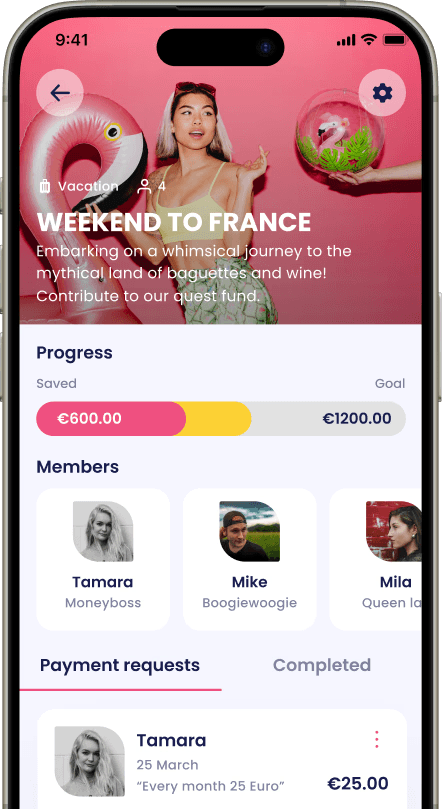
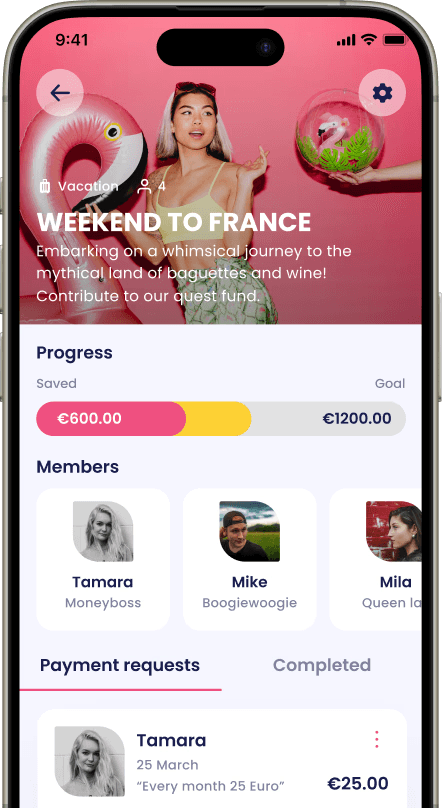
Potje is the ideal solution when you are not looking for investors, but rather looking to pool resources with friends, family, colleagues, or teammates. Potje provides a user-friendly service that simplifies group collections, making it easy for anyone to organize and manage shared funds. Unlike complex crowdfunding campaigns that require marketing budgets, Potje simplifies the process of collecting money for shared goals without the hassle of complex administration. People using Potje prefer a flexible, low-pressure approach to fundraising, which makes it particularly appealing for informal or small-scale goals. Potje is a lesser-known, potentially informal or niche fundraising method that caters to specific social funding needs.
Potje is best suited for:
Group Gifts: collecting money for a colleague’s farewell or a friend’s wedding.
Shared Experiences: Organizing a group vacation, festival trip, or dinner.
Team Management: collecting sports team fees or household expenses.
Small Scale Projects: Raising funds for a local charity run or community event.
Start your first Potje collection today
Key Differences: Relationships vs. Returns
1. The Audience
Successful crowdfunding campaigns require a well-planned marketing strategy to reach people you do not know. You have to "sell" your idea. With Potje, you are leveraging existing relationships. It is about convenience and transparency, not sales. You simply create a "Pot," share the link via WhatsApp or email, and your friends or colleagues contribute.
2. The Returns
In Equity Crowdfunding, backers expect financial returns. In Rewards Crowdfunding, they expect a product. In a Potje environment, the return is the shared experience or the achievement of a collective goal. This makes it the perfect tool for social funding where the goal is participation rather than profit.
3. Transparency and Fees
Crowdfunding platforms often take a significant cut of your earnings. Potje prioritizes transparency. By using Potje, you avoid the "black box" of traditional fundraising. You get a clear dashboard showing who has contributed and how close you are to your target, ensuring that everyone in the group feels involved and secure.
Why Choose Potje for Your Next Collection?
If your goal involves pooling money from a known group of people, traditional crowdfunding platforms are likely overkill and too expensive.
Potje offers a streamlined alternative:
Ease of Use: No need to write a business plan or shoot a marketing video. Just set up your Pot and share the link.
Security: Your money is held securely, separating group funds from your personal bank account.
Flexibility: Whether it is a one-off collection for a birthday or an ongoing collection for a sports team, Potje adapts to your needs.
Conclusion
Both crowdfunding and Potje provide excellent opportunities to raise funds, but they serve different needs.
If you are launching a tech startup and need millions in capital from investors, Equity Crowdfunding is the right path. However, if you are organizing a group trip, buying a joint gift, or managing a team budget, Potje is the superior choice.
Potje takes the stress out of asking for money and managing spreadsheets. It allows you to focus on the social aspect of your goal—building good relationships with your community—while the app handles the financial logistics.
Ready to start collecting the easy way? Create a Pot on Potje now and reach your goal together.

Social Accountability and Saving: The Missing Link to Financial Freedom
Ondersteuning voor verschillende inhoudstypes zoals artikelen, blogs, video's en meer. Rijke tekstverwerker met opmaakopties voor verbeterde.
17 november, 2025

Group Saving Apps Compared: What's Easiest, Safest, and Most Transparent?
Ondersteuning voor verschillende inhoudstypes zoals artikelen, blogs, video's en meer. Rijke tekstverwerker met opmaakopties voor verbeterde.
17 november, 2025

Group Money Platforms Compared: What’s Safe, Regulated, and Fair?
Ondersteuning voor verschillende inhoudstypes zoals artikelen, blogs, video's en meer. Rijke tekstverwerker met opmaakopties voor verbeterde.
17 november, 2025
