17 December 2025



Communities thrive when people connect, share experiences, and support each other. While the broader church community offers a foundation for faith and fellowship, small groups are distinct in that they provide a more intimate setting within the church, playing a vital role in church life and community building.
One of the most effective ways to foster these connections is through small groups, which can have a profound impact on a person's life by offering support, encouragement, and opportunities for spiritual and personal growth. Whether in schools, clubs, workplaces, or local neighborhoods, small groups provide intimate, meaningful spaces for learning, growth, and lasting relationships. Additionally, small group discussions foster active learning, enhance critical thinking, and develop essential social and communication skills, making them invaluable for personal and community development as well as serving as a core part of the church's disciple-making ministry.
Introduction to Community Building
Small groups are a powerful way to build community and foster meaningful connections among members - creating a sense of belonging and support that can have a lasting impact on people’s lives.
Charitable giving and volunteering are great ways to get involved in your community and make a difference - whether it’s through donating money or time to a local charity or organization. Families can also come together to give or volunteer, creating traditions that amplify their collective impact.
By focusing on a common goal, groups can come together to achieve something bigger than themselves - and make a real difference in the world. Some people may worry they don't have enough money to make a difference, but every contribution, no matter the size, truly counts.
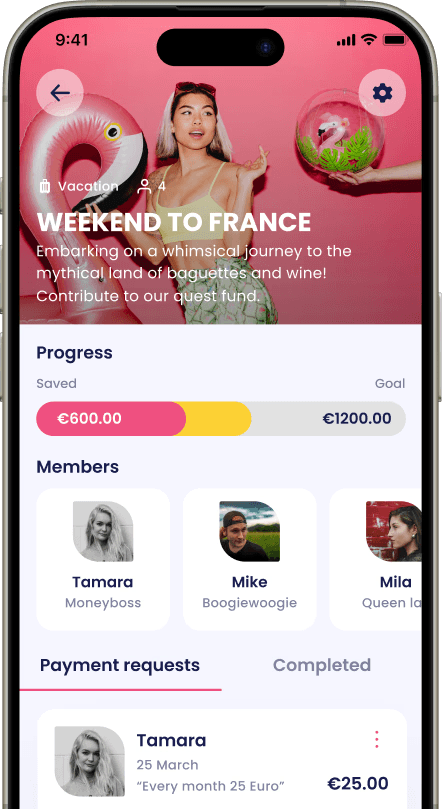
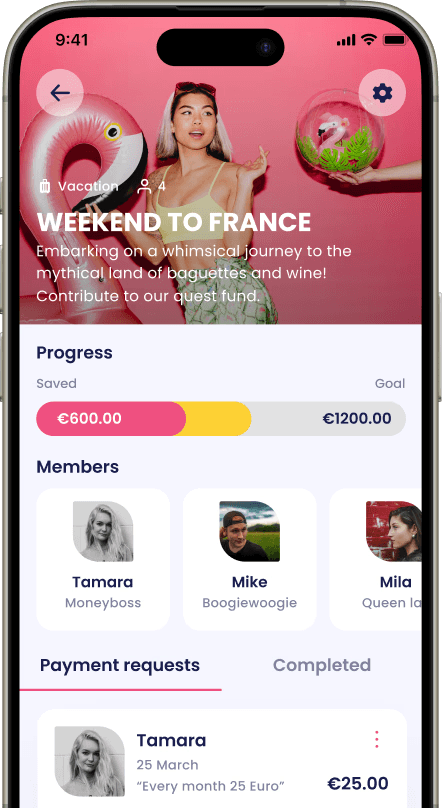
Effective community building requires effort and dedication from all members - but the rewards are well worth it, from forming lasting relationships to making a positive impact on the world. It helps when members know specifically how their donations or efforts are being used, as this transparency can increase satisfaction and motivation.
Small groups can be a great way to meet new people and make friends - while also being part of something bigger than yourself and contributing to a charitable cause.
Getting Started with Your Group
Starting a small group is an exciting opportunity to bring people together around a shared purpose and make a real difference in your community. The first step is to identify a cause or charity that resonates with your group members—this could be anything from supporting local families in need to raising funds for global organizations. Once you’ve chosen a focus, research the best ways to get involved, whether through volunteering, organizing fundraising events, or donating money directly to the cause.
Setting a clear common goal will help your group stay motivated and united. For example, your group might decide to organize a fundraising dinner, participate in a charity walk, or collect donations for a local shelter. By pooling your resources and efforts, you can create a greater impact than any one person could achieve alone. Encourage each member to contribute ideas and take on roles that match their strengths, ensuring everyone feels involved from the very beginning.
As you begin, remember that every effort counts—whether you’re donating money, volunteering your time, or simply spreading awareness about your chosen cause. By working together, your small group can support meaningful charitable giving and help create positive change in the world.
Benefits of Group Membership
Being part of a small group can provide a sense of purpose and belonging, and can help shape a person's identity by aligning their actions with their values and self-concept. It can also be a great way to get involved in charitable giving and make a difference in your community.
Group members can support and encourage each other - whether it’s through volunteering, donating to a charity, or simply being there for one another.
Small groups can be a great way to learn new skills and gain new experiences - from fundraising and event planning to community outreach and charity work.
By working together towards a common goal, group members can achieve more than they could alone - and make a real difference in the world, whether it’s through charitable giving or volunteering.
Group membership can also provide opportunities for personal growth and development - from building confidence and self-esteem to developing new skills and abilities. Small groups also create a safer and more focused environment for members to participate and take ownership of their learning and contributions. To describe the benefits of small groups, they foster strong relationships, encourage accountability, and provide a supportive space for growth and effective disciple-making.
Building an Effective Small Group
To build an effective small group, it’s essential to have a clear purpose and goal - whether it’s focused on charitable giving, community outreach, or simply building relationships and connections.
Group leaders should be committed and passionate about the group’s mission, fostering a culture of giving and support that inspires and motivates others to get involved and make a difference.
Effective communication is key to building a strong and cohesive group - whether it’s through regular meetings, social media, or other channels. Encouraging active listening, providing a central platform for updates, and encouraging members to lead by example in group activities can significantly enhance group communication.
Group members should feel valued and supported - and should be encouraged to participate and contribute to the group’s activities and charitable efforts.
A sense of community and connection is vital to a successful small group - and can be fostered through social events, volunteer opportunities, and other activities that bring people together.
Leadership and Facilitation
Strong leadership is essential for any small group aiming to achieve its charitable goals and make a meaningful difference in the community. A dedicated leader or facilitator helps guide the group, keeps everyone focused on the common goal, and ensures that meetings and activities run smoothly. Effective leaders create a welcoming environment where all members feel comfortable sharing their ideas, opinions, and suggestions for charitable giving or volunteering.
Facilitators play a key role in organizing meetings, setting agendas, and providing resources that help the group stay on track. They encourage participation by inviting members to take on specific tasks, such as researching local charities, organizing fundraising events, or coordinating volunteer opportunities. By supporting and motivating the group, leaders help members stay engaged and committed to their shared mission.
For example, a group leader might suggest volunteering at a local food bank or organizing a community clean-up to support a chosen charity. By providing guidance and fostering open communication, leaders empower the group to achieve their objectives and make a lasting impact through charitable giving and community involvement.
Choosing the Right Studies
When choosing bible studies or other materials for your small group, it’s essential to consider the group’s needs and goals—whether it’s focused on charitable giving, community outreach, or personal growth and development. You may also want to choose studies that align with a sermon or weekend message to reinforce key themes.
Look for studies that are engaging and relevant—and that will help group members grow in their faith and make a positive impact in the world.
Consider the group’s size and dynamics when selecting studies—and choose targeted materials that will work well for your particular group and its charitable goals.
It’s also important to choose studies that are well-researched and biblically sound—and that will provide a solid foundation for your group’s discussions and activities.
Some popular options for small group studies include video-based series and online resources—which can be a great way to access high-quality materials and make a difference in your community. For example, Smallgroup.com offers a library of thousands of customizable Bible studies on various texts and topics, as well as additional articles and resources for group leaders, making it a valuable resource.
Creating a Sense of Community
To create a sense of community in your small group, it’s essential to foster open and honest communication - whether it’s through regular meetings, social media, or other channels.
Encourage group members to share their thoughts and feelings - and create a safe and supportive environment where people feel valued and heard.
Plan social events and activities that bring the group together - such as volunteer opportunities, fundraising events, supporting a child in need through a sponsorship program, or simply social gatherings.
Consider having a potluck dinner or game night - or other activities that encourage people to connect and build relationships, and organize group efforts that can help save lives in your community or abroad.
By creating a sense of community, you can help group members feel connected and supported - encourage them to get involved in charitable giving, commit to the group's mission, and make a difference in the world.
Encouraging Participation
To encourage participation in your small group, it’s essential to create a safe and supportive environment - where people feel valued and heard, and are encouraged to get involved and make a difference.
Consider having a variety of activities and discussions - to appeal to different interests and learning styles, and to provide opportunities for charitable giving and community outreach.
Encourage group members to share their thoughts and ideas - and create opportunities for people to get involved and take on leadership roles, whether it’s related to charitable giving, volunteering, or simply building relationships and connections. Allow members to decide how they want to participate, as giving people the opportunity to make their own decisions can increase their willingness to contribute.
Make sure to recognize and appreciate the contributions of all group members - and provide opportunities for people to grow and develop in their faith and make a positive impact in the world. Providing consistent and constructive feedback is important for both individuals and the group as a whole, with evidence suggesting that such recognition supports ongoing participation.
By encouraging participation, you can help create a sense of ownership and investment in the group - and encourage people to get involved and make a difference in their community, whether it’s through charitable giving, volunteering, or simply being a supportive and caring community. Encourage members to seek out new opportunities for involvement to further enrich their experience.
Sustaining a Thriving Community
Maintaining a vibrant and effective small group requires ongoing effort, commitment, and creativity from all members. To keep the group energized and focused on its common goal, it’s important to offer a variety of opportunities for involvement—such as regular meetings, social gatherings, and community service projects. These activities not only strengthen the sense of connection among members but also amplify the group’s ability to make a difference through charitable giving.
Group members can organize fundraising events like charity auctions, bake sales, or benefit concerts to raise money for their chosen cause. Volunteering together at local charities or participating in community service projects, such as supporting a children’s hospital or joining a charity walk, helps reinforce the group’s commitment to giving back. Regular communication and check-ins ensure that everyone stays informed, motivated, and aware of upcoming opportunities to get involved.
By consistently donating time, money, and effort, group members experience the benefits of charitable giving while building lasting relationships and a strong sense of community. Through shared experiences and a united focus, your small group can continue to create positive change in the world, inspiring others to join in and make a difference.
Making a Lasting Impact
To make a lasting impact, it’s essential to have a clear vision and purpose - whether it’s focused on charitable giving, community outreach, or simply building relationships and connections.
Consider having a mission statement or goal - to guide your decisions and activities, and to provide a sense of direction and purpose for your charitable efforts. Planning your donation strategy within your personal budget can help maximize your philanthropic impact.
Make sure to evaluate and assess your progress regularly - to ensure you’re on track to meet your goals and make a positive impact in the world. Remember, the impact of a well-timed donation can be significant.
Consider having a plan for sustainability and longevity - to ensure the group continues to thrive and make a difference long-term, whether it’s through charitable giving, volunteering, or simply being a supportive and caring community. At this point, timing your actions and donations is crucial for making a lasting impact.
By making a lasting impact, you can help create positive change in the world - and leave a legacy that will continue to inspire and motivate others to get involved and make a difference, whether it’s through charitable giving, community outreach, or simply building relationships and connections.
Final Thoughts
Small groups are powerful vehicles for personal transformation and community impact. By fostering connection, purpose, participation, and accountability, they create spaces where individuals can thrive, learn, and contribute meaningfully.
Whether your goal is education, support, skill development, or social change, intentional small groups can transform lives—one meaningful interaction at a time.
FAQs
1. What makes small groups more effective than large gatherings?
Small groups allow for closer interaction, active participation, personal support, and stronger relationships, which are difficult to achieve in large settings.
2. How many people should be in a small group?
The ideal size is typically 5–12 members. This ensures everyone has a voice while maintaining meaningful connections.
3. How often should small groups meet?
Consistency is key. Weekly, biweekly, or monthly meetings work well, depending on the group’s purpose and members’ availability.
4. Can small groups operate online or remotely?
Yes. Digital tools like video calls, messaging apps, and collaborative platforms help members stay connected, share resources, and participate even when physical meetings aren’t possible.
5. How do you measure the success or impact of a small group?
Success can be measured by member engagement, goal achievement, personal growth, collaborative outcomes, and feedback from participants. Celebrating milestones reinforces motivation and community impact.

Social Accountability and Saving: The Missing Link to Financial Freedom
Ondersteuning voor verschillende inhoudstypes zoals artikelen, blogs, video's en meer. Rijke tekstverwerker met opmaakopties voor verbeterde.
17 november, 2025

Group Saving Apps Compared: What's Easiest, Safest, and Most Transparent?
Ondersteuning voor verschillende inhoudstypes zoals artikelen, blogs, video's en meer. Rijke tekstverwerker met opmaakopties voor verbeterde.
17 november, 2025

Group Money Platforms Compared: What’s Safe, Regulated, and Fair?
Ondersteuning voor verschillende inhoudstypes zoals artikelen, blogs, video's en meer. Rijke tekstverwerker met opmaakopties voor verbeterde.
17 november, 2025
