27 November 2025



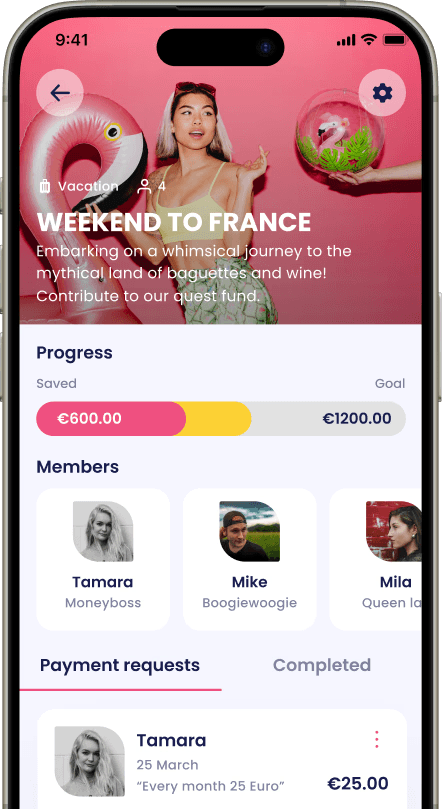
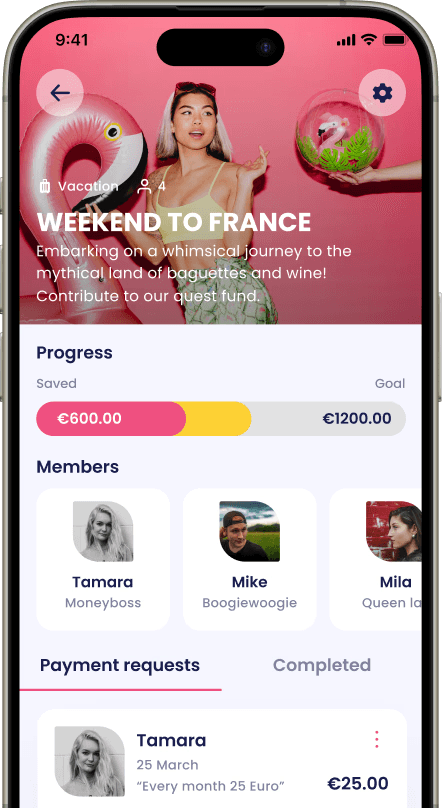
In 2025, the Netherlands is seeing a major shift in how dutch groups manage money together in 2025 as people save, spend, and plan financially—together. Rising living costs, growing digital innovation, and a stronger culture of shared responsibility have encouraged Dutch households, friend groups, and communities to collaborate more closely on financial decisions. From joint saving tools to transparent communication systems, Dutch groups are redefining what it means to manage money collectively. The rapid shift towards digital payments such as contactless cards, smartphones, and QR codes is now standard in the Netherlands. Dutch fintechs have seen their financing more than double over the past three years, reflecting the growing role of financial technology in this transformation.
Introduction to Dutch Taxation
The Dutch tax system is complex, with various rules and regulations, including the Dutch Corporate Income Tax and Dutch Tax Authorities.
Understanding Dutch tax purposes and laws is essential for effective money management.
The Dutch government has introduced several legislative proposals to simplify taxation, including the Dutch Minimum Tax Act.
The Dutch Ministry of Finance is responsible for publishing and announcing annual tax plans, including the 2025 year's tax plan.
Tax planning is crucial to minimize tax liabilities and ensure compliance with Dutch tax law.
The 2025 Dutch tax plan, published by the Ministry of Finance as part of the broader set of tax plans announced each year, includes provisions that will enter into force on January 1, 2025, which are currently subject to parliamentary review and may change.
Investment Strategies
Investment strategies in the Netherlands should consider the Dutch tax treatment of investments, including the Real Estate Transfer Tax.
Dutch entity classification rules can impact investment decisions, and it’s essential to understand the differences between tax-transparent and non-tax-transparent entities.
The Dutch Financial Supervision Act regulates investment funds, and compliance is necessary to avoid penalties.
Fair market value is a critical concept in Dutch taxation, and understanding its implications is vital for investment decisions.
The definition of the fund for joint account (FGR) has been amended as part of the new tax classification rules. These changes also affect the classification and tax treatment of a non Dutch entity and Dutch limited partnership (commanditaire vennootschap or CV), particularly regarding whether such entities qualify as an investment fund for Dutch tax purposes.
Joint Account Management
Joint account management is a common practice in the Netherlands, and understanding the tax implications is essential.
The Dutch tax authorities consider joint accounts as tax-transparent, and income is taxed at the individual level.
Tax-free reimbursement of expenses related to joint accounts is possible, but certain conditions must be met. In addition, certain employee participations and related allowances may also be reimbursed free of tax under specific conditions, especially in light of recent Dutch tax measures aimed at making such participations more favorable for startups and scale-ups.
The Dutch fiscal unity regime can provide tax benefits for joint account holders, but it’s essential to meet the necessary conditions.
The major method for managing money in informal groups and official partnerships is through joint bank accounts.
Digital Tools & Apps for Group Money Management
In 2025, digital tools and apps will become indispensable for Dutch groups managing money together, whether for households, businesses, or investment collectives. The Dutch government and Dutch tax authorities have actively promoted the use of digital platforms to streamline financial transactions, simplify compliance, reduce administrative burdens across the tax system, and prevent tax loss.
For businesses and individuals alike, these digital solutions make it easier to manage joint accounts, track group expenses, and ensure accurate reporting for Dutch tax purposes. For example, the Dutch tax authorities offer an online portal where taxpayers can submit returns, access tax information, and manage obligations related to Dutch corporate income tax, real estate transfer tax, and the minimum tax act. This digital infrastructure is especially valuable for multinational groups navigating the complexities of the Dutch minimum tax act and top-up tax requirements, as it allows for efficient submission of information returns and real-time access to relevant tax data.
When it comes to real estate, digital tools help investors and property owners calculate the correct real estate transfer tax rate—such as the reduced 8% rate for residential property investments—and ensure timely payment. These platforms also assist in applying the latest Dutch entity classification rules, which have been updated with new definitions for funds for joint account (FGR). By using these tools, investors and fund managers can better understand how the new rules affect their tax obligations and entity status.
Employee participation schemes, including qualifying stock options, have also benefited from digitalization. Companies can now use specialized apps to manage employee participation, track vesting schedules, and ensure compliance with the latest Dutch tax regulations. This is particularly important as the Dutch tax plans continue to introduce new rules to encourage employee participation and make it easier for scale-ups to offer stock options at favorable tax rates.
Overall, the integration of digital tools and apps into group money management in the Netherlands has made it easier to comply with Dutch tax law, manage joint accounts, and navigate the evolving landscape of tax rates, classification rules, and reporting requirements. For further background, these advancements help streamline processe By leveraging these technologies, Dutch groups can focus more on their financial goals and less on administrative hurdles, ensuring that compliance with the Dutch tax act and related regulations is both accurate and efficient.
Tax Implications of Investments
The tax implications of investments in the Netherlands depend on the type of investment and the investor’s tax status. The calculation of taxable profits is central to determining the tax implications of investments.
Dutch corporate income tax rates apply to companies, while individuals are subject to income tax rates.
The Dutch participation exemption can provide tax benefits for investments in foreign companies.
Tax credits are available for certain investments, such as those in innovative startups. Tax loss provisions and the treatment of lucrative interests or the lucrative interest regime can also significantly affect the overall tax position of investors.
The Dutch government plans to introduce a new tax scheme to stimulate employee participation in startups and scale-ups, aiming to lower payroll taxes for employees on income from stock options.
Real Estate Investments
Real estate investments in the Netherlands are subject to the Real Estate Transfer Tax, which can range from 2% to 10.4%.
The Dutch tax authorities consider real estate investments as taxable income, and tax rates apply accordingly.
Tax implications of real estate investments depend on the type of property and the investor’s tax status.
The Dutch government has introduced measures to encourage real estate investments, such as the reduced Real Estate Transfer Tax rate for residential properties.
The real estate transfer tax (RETT) rate for residential property investors will be reduced from 10.4% to 8% starting January 1, 2026. Transitional rules and transitional measures will apply to ensure a smooth implementation of the new legislative proposal. The government has also considered budgetary coverage for these changes, including the potential impact on pension funds. The VAT revision period is also relevant for real estate investors, especially when the VAT status of a property changes.
Dividend Stripping
Dividend stripping is a tax avoidance strategy that involves manipulating dividend payments to reduce tax liabilities.
The record date is crucial in determining dividend entitlement under Dutch tax law, as it establishes which shareholders are eligible to receive dividends and is central to anti-abuse measures targeting dividend stripping.
The Dutch tax authorities have introduced measures to combat dividend stripping, including the enforcement moratorium.
Understanding the rules and regulations surrounding dividend stripping is essential to avoid penalties and ensure compliance.
The Dutch government has introduced new legislative proposals to prevent dividend stripping and ensure fair taxation. These proposals are designed to ensure compliance with EU law and European Union directives, and may include measures to deny benefits if the net return falls below certain thresholds.
The Dutch tax authorities have intensified enforcement efforts against dividend stripping practices, resulting in significant settlement agreements and ongoing litigation.
Dutch Tax Laws
Dutch tax laws are complex and subject to change, with new legislative proposals introduced regularly. The Corporate Income Tax Act 1969 (Wet op de vennootschapsbelasting 1969) serves as a key piece of legislation underpinning many of these tax rules and reforms.
The Dutch tax system is based on the OECD model rules, which provide a framework for taxation.
Understanding the Dutch tax laws and regulations is essential for effective tax planning and compliance.
The Dutch caretaker government has played a significant role in recent legislative changes, particularly during periods of transition and ongoing policy development.
The Dutch government has introduced measures to simplify taxation and reduce administrative burdens.
The tax brackets for individual income tax will be adjusted, with the first bracket applicable to income up to €38,883 being taxed at 35.70% and the second bracket up to €79,137 at 37.56%.
For further background, ongoing reforms and legislative investigations continue to shape the Dutch tax landscape, with implications for both individuals and investment funds.
Classification and Taxation
Classification and taxation of entities in the Netherlands depend on the type of entity and its activities. Group entities, including joint ventures, are subject to specific classification rules under Dutch tax law.
The Dutch entity classification rules provide a framework for taxation, and understanding these rules is essential. Administrative cooperation, particularly under the EU Directive on Administrative Cooperation (DAC9), plays a key role in ensuring compliance with international tax reporting requirements and streamlining information exchange among EU member states.
Taxation of entities depends on their tax status, and compliance with tax laws and regulations is necessary. Qualifying income is determined for different types of entities, including non-consolidated group entities, based on specific criteria set out in the Minimum Tax Act and Pillar Two regulations.
The Dutch government has introduced measures to clarify classification and taxation rules, including the amended FGR definition.
Investment funds that were tax transparent prior to 2025 may become subject to Dutch corporate income tax due to the new FGR definition.
Minimum Tax Considerations
Minimum tax considerations are essential for companies operating in the Netherlands, as the Dutch Minimum Tax Act applies to certain entities.
Understanding the minimum tax rules and regulations is vital to ensure compliance and avoid penalties.
The Dutch government has introduced measures to simplify minimum tax rules, including the introduction of the Top-Up Tax.
OECD inclusive framework provides guidance on minimum tax rules, and understanding these rules is essential for international companies.
The Dutch Minimum Tax Act 2024, implementing the OECD’s Pillar 2 directive, will require multinational enterprises with annual consolidated revenue of €750 million or more to pay a minimum effective tax rate of 15%. Financial statements play a crucial role in determining the minimum effective tax rate and ensuring compliance with Pillar 2 requirements, as they provide the basis for measuring and reporting asset and liability values in line with international guidance.
Dutch Fund Options
Dutch fund options are available for investors, including investment funds and joint accounts.
Understanding the tax implications of Dutch fund options is essential to make informed investment decisions.
The Dutch government has introduced measures to encourage investment in Dutch funds, including tax benefits and simplified regulations.
Compliance with Dutch tax laws and regulations is necessary to avoid penalties and ensure effective tax planning.
Key Measures for Compliance
Key measures for compliance with Dutch tax laws and regulations include understanding the tax system, classification rules, and minimum tax considerations.
Effective tax planning is essential to minimize tax liabilities and ensure compliance.
The Dutch government has introduced measures to simplify taxation and reduce administrative burdens, including the introduction of new legislative proposals.
Ongoing litigation and enforcement efforts by the Dutch tax authorities highlight the importance of compliance and effective tax planning.
Conclusion: The Dutch Model of Financial Togetherness
Dutch groups in 2025 show that managing money together is not only possible—it’s powerful. By using transparent systems, digital tools, and fair contribution models, people across the Netherlands are strengthening relationships, building financial stability, and reaching meaningful goals as a team. In 2025, Dutch households increasingly utilize specialized budget apps for collective finance management.
Shared financial management is more than a trend—it's a long-term strategy for a balanced, resilient, and connected future.
FAQs
1. What is the most common way Dutch groups split expenses in 2025?
Most Dutch groups use digital tools like Tikkie, Bunq sub-accounts, or ING/Rabobank shared pots. Contributions are often based on income percentage rather than equal amounts, which many consider fairer and more sustainable. The use of digital payment tools has greatly improved budgeting and tracking shared finances through real-time insights and automation.
2. How do Dutch groups prevent conflicts about money?
Open communication is key. Groups set clear agreements about what is shared vs. individual, hold regular check-ins, use written financial arrangements, and rely on transparency tools that reduce misunderstandings.
3. What types of goals do people in the Netherlands commonly save for together?
Popular shared goals include group travel, a down payment on a home, sustainable home improvements (like solar panels), emergency funds, and contributions for children’s education or activities.
4. Are joint accounts safe for non-couples like friends or housemates?
Yes—if managed properly. Many Dutch groups prefer “shared pots” or sub-accounts rather than fully joint bank accounts. These systems allow shared saving or spending without granting complete access to each other’s finances.
5. What should a Dutch group do if someone can’t contribute as much anymore?
Groups typically adjust contributions based on updated income or circumstances. Flexible contribution models and honest communication help maintain fairness and ensure that no one feels ashamed or pressured.

Social Accountability and Saving: The Missing Link to Financial Freedom
Ondersteuning voor verschillende inhoudstypes zoals artikelen, blogs, video's en meer. Rijke tekstverwerker met opmaakopties voor verbeterde.
17 november, 2025

Group Saving Apps Compared: What's Easiest, Safest, and Most Transparent?
Ondersteuning voor verschillende inhoudstypes zoals artikelen, blogs, video's en meer. Rijke tekstverwerker met opmaakopties voor verbeterde.
17 november, 2025

Group Money Platforms Compared: What’s Safe, Regulated, and Fair?
Ondersteuning voor verschillende inhoudstypes zoals artikelen, blogs, video's en meer. Rijke tekstverwerker met opmaakopties voor verbeterde.
17 november, 2025