7 January 2026



Effective team management is rarely a linear process. It requires a delicate balance of psychological insight, administrative efficiency, and emotional intelligence. Whether you are managing a professional workforce, a sports club, or a social committee, the core challenge remains the same: how do you keep individuals engaged, valued, and moving towards a common goal?
One of the most frequent (and awkward) stumbling blocks in group dynamics is the issue of shared financial responsibilities. From collecting money for a colleague’s leaving gift to managing a weekly sports team fee, “forgetfulness” regarding payments can create unnecessary tension. A lack of organization can cause you to lose track of payments and erode trust within the group. Clearly outlining penalties for late payments serves as a deterrent and helps compensate for cash flow disruptions.
This guide explores comprehensive strategies for motivating your group, fostering a culture of responsibility, and using tools like Potje Tech to streamline the administrative side of team management.
Introduction to Motivation Strategies
Motivating a group begins with understanding workers' needs, aligning motivation strategies with their personal goals, and making them feel valued. This is a key aspect of effective team management that goes beyond simple instruction. A positive attitude and robust support from management can go a long way in boosting team morale and encouraging people to work together towards a common goal. Compensation and benefits also play a significant role in motivating employees and fostering engagement.
However, leaders must recognise that financial remuneration is not the only motivator. While a salary or a baseline benefit is essential, communicating total compensation—including all benefits—upfront helps workers see the broader value of their role and fosters loyalty. Companies and organisers must use various strategies to keep their team members engaged. Creating a consistent schedule and providing opportunities for growth and development can help reduce turnover and encourage team members to stay long-term.
When a group feels supported, they are more likely to participate in all aspects of the team culture—including the shared responsibilities like contributing to team funds or social events.
Understanding Employee Needs and Making Them Feel Valued
At the heart of any motivated group is the feeling of being valued. Employees—or group members—feel valued when their contributions are recognised and rewarded. This can be achieved through public recognition, bonuses, or other incentives that signal to the individual that their effort is seen. When employees hear positive feedback and recognition for a job well done, it is incredibly motivating and shows that the employee is valued.
Providing a healthy environment with less stress and more opportunities for growth is equally critical. When you remove friction from their daily lives, you help motivate people and make them feel like they are part of a winning team. This “friction” often comes in the form of administrative headaches—clunky processes, unclear instructions, or awkward social obligations.
Most individuals have an innate desire to learn new skills and advance. Offering training and development opportunities can be a great motivator, showing that you are invested in their future, not just their current output. Making sure everyone understands how their work contributes to the overall success of the project can also boost motivation and encourage them to work harder.
Performance Metrics and Rewards
To maintain high motivation, clarity is key. Setting clear performance metrics and rewarding employees for achieving them can create a sense of healthy competition. For example, regularly tracking sales performance—such as monitoring sales targets, sales cycles, and overall team performance—can help identify issues and motivate the sales team more effectively. This drives team members to perform better, pushing their limits in a positive way.
Celebrate the Small Wins: You do not need to wait for a massive milestone to celebrate. Recognising individual contributions on a weekly basis can help motivate people. Celebrating these wins helps motivate employees to work on meeting bigger targets.
Invest in Success: Providing opportunities for growth helps employees feel like they are part of a team that is invested in their success.
Data-Driven Feedback: Using data and analytics to track performance allows you to provide objective feedback, which can help motivate employees to improve without feeling personally attacked. Additionally, look for signs of motivation or disengagement within the group so you can adjust your strategies as needed.
Recognizing achievements beyond monetary incentives fosters a personal connection to employees' roles.
Often, these “rewards” involve group activities—team lunches, social outings, or collective gifts. This is where the logistics of group money management often come into play, and where a lack of organisation can dampen the celebratory mood.
Growth Opportunities and Development
A group that sees no future is a group that will eventually disengage. Since work is a significant part of a person's life, it should align with their aspirations and provide a sense of purpose. Offering growth opportunities and development is one of the most effective ways to motivate employees to stay with the company or group long-term.
Providing training programmes helps employees learn new skills, keeping their work exciting and challenging. Furthermore, creating a clear career path helps them see a future within the organization. A supportive organization fosters growth and development by offering job security, internal career progression, and a positive culture. When a person can visualise their trajectory, they are motivated to work harder to achieve those next steps.
Recognising and rewarding employees for their achievements reinforces this behaviour. It creates a positive feedback loop: the better they perform, the more they are recognised, and the more motivated they become. Encouraging employees to contribute ideas and solutions also fosters a positive and supportive work environment.
Recognizing and Celebrating Achievements
Recognizing and celebrating achievements is a crucial aspect of motivating employees and boosting team morale. When team members feel valued and appreciated, they are more likely to be motivated and engaged in their work. It’s not just about offering more money, but about creating a positive attitude and a sense of accomplishment. A consistent schedule of recognition and celebration can help to encourage healthy competition and a sense of camaraderie among employees.
Celebrating small wins is an effective way to motivate people and create a winning team. When employees understand that their hard work and contributions are recognized and valued, they are more likely to feel valued and motivated to continue performing at a high level. Recognizing and celebrating achievements can be as simple as a public recognition or a reward, but it can have a significant impact on employee motivation and job satisfaction.
In fact, most employees consider recognition and appreciation to be more important than higher pay. When employees feel valued and appreciated, they are more likely to stay long-term and be committed to the company’s success. Recognizing and celebrating achievements can also help to reduce employee turnover and encourage people to stay with the company.
To create a positive work environment and motivate employees, it’s essential to focus on recognizing and celebrating achievements. This can be done through various ways, such as employee of the month awards, public recognition, or rewards. By celebrating small wins and recognizing employee achievements, companies can create a sense of growth opportunities and career path development, which is essential for motivating top talent.
Moreover, recognizing and celebrating achievements can help to answer questions and concerns that employees may have, and provide a sense of security and stability. When employees feel valued and appreciated, they are more likely to trust the company and its leadership, and be motivated to work towards its success. By creating a culture of recognition and celebration, companies can motivate employees, boost team morale, and achieve success in the long run.
In the world of business, motivation is key to success. Recognizing and celebrating achievements is an essential aspect of motivating employees and creating a positive work environment. By focusing on recognition and celebration, companies can create a sense of respect and appreciation among employees, and motivate them to perform at their best. As a leader, it’s essential to lead by example and recognize the importance of recognizing and celebrating achievements. By doing so, companies can create a winning team and achieve success in the long run.
It’s also important to note that recognizing and celebrating achievements is not a one-time event, but an ongoing process. Companies should strive to create a culture of recognition and celebration, where employees feel valued and appreciated on a regular basis. This can be achieved through various ways, such as regular feedback, public recognition, and rewards. By creating a culture of recognition and celebration, companies can motivate employees, boost team morale, and achieve success in the long run.
In addition, recognizing and celebrating achievements can help to create a sense of community and teamwork among employees. When employees feel valued and appreciated, they are more likely to work together towards a common goal, and support each other in achieving success. By recognizing and celebrating achievements, companies can create a sense of unity and cooperation among employees, and motivate them to work towards a common goal.
Overall, recognizing and celebrating achievements is a crucial aspect of motivating employees and creating a positive work environment. By focusing on recognition and celebration, companies can create a sense of respect and appreciation among employees, and motivate them to perform at their best. As a leader, it’s essential to lead by example and recognize the importance of recognizing and celebrating achievements, and create a culture of recognition and celebration that motivates employees and drives success.
Effective Communication and Transparency
None of the strategies above will work without a foundation of trust, which is built through communication. Effective communication and transparency are key to motivating employees and making them feel valued. Even when you have to deliver bad news, being transparent helps maintain trust and strengthens professional relationships.
Keeping employees informed about company news, updates, and even financial goals helps them feel like they are part of a team. Secrecy breeds suspicion, whereas openness breeds loyalty. Effective talk and dialogue are essential for building trust and motivation—too much unnecessary talk about morale can be counterproductive, so focus on clear, deliberate communication.
Regular Feedback: Providing regular coaching helps employees improve their performance and achieve their goals.
Clear Objectives: Being transparent about company goals allows individuals to align their personal efforts with the broader mission.
Creating a transparent environment encourages healthy competition and fosters collaboration when group goals are recognized.
This transparency must extend to financial matters as well. If you are collecting money for a team event, transparency about how much is needed, who has paid, and how the money will be spent is vital.
Addressing Forgetfulness to Pay
Even in the most motivated teams, administrative tasks often fall by the wayside. One of the most common issues is members forgetting to pay their share for group expenses, whether it is for a lottery syndicate, a sports pitch hire, or an office birthday gift. To address this, it's important to identify what might be going wrong—such as unrealistic expectations, unclear processes, or ineffective motivation and compensation structures.
Regular communication about deadlines and goals helps teams prioritize payment responsibilities.
Addressing “forgetfulness to pay” requires a comprehensive approach that includes education, reminders, and incentives. It is rarely an act of malice; it is usually a result of busy schedules and poor systems. Implementing a clear communication system with timely reminders and easy-to-understand payment terms is an effective strategy for motivating people who frequently forget to make payments.
Fostering a culture of ownership and accountability increases team members' commitment to payment tasks.
1. Providing Clear Information
Ambiguity is the enemy of payment compliance. Providing clear information about payment schedules and deadlines can help employees remember to pay on time. If they do not know exactly how much to pay or where to send it, they will procrastinate.
2. The Power of Reminders and Systems
Implementing a system for tracking and reminding employees about payments is the most effective way to reduce forgetfulness. Relying on group chats or email threads is inefficient and often leads to messages getting buried.
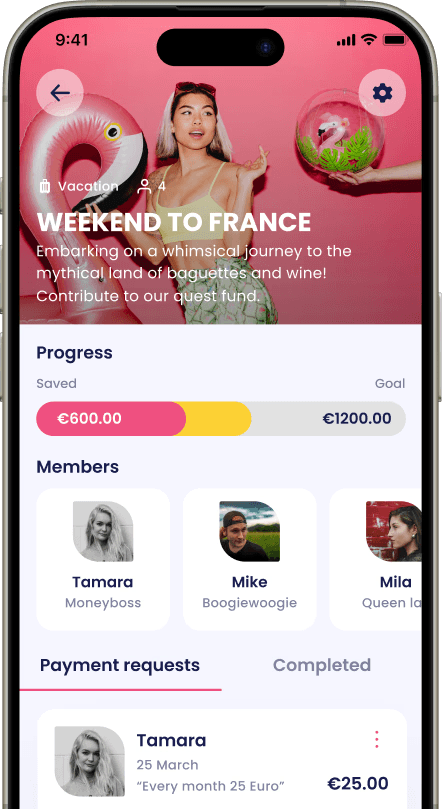
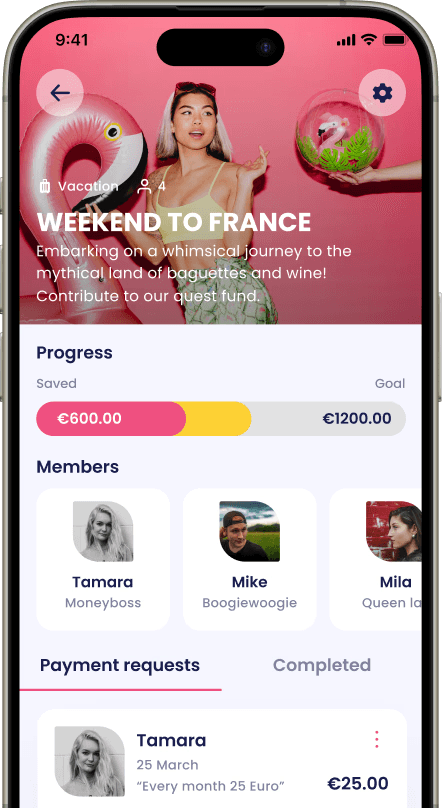
This is where Potje Tech becomes an invaluable tool for team managers and organisers. Potje simplifies the entire process of group collections. Instead of chasing individuals manually, you can create a dedicated "Pot" for any occasion.
Automated Tracking: Potje allows you to see exactly who has contributed and who has not, removing the need for messy spreadsheets.
Easy Reminders: You can send payment requests directly, ensuring that the deadline is top-of-mind for your team members without you having to be the "bad guy" constantly asking for money.
Transparency: Everyone knows the goal and the progress, which aligns perfectly with the principles of effective communication discussed earlier.
3. Offering Incentives
Just as you reward work performance, you can incentivise administrative compliance. Getting team members involved by delegating responsibilities empowers them and builds trust, which can encourage more timely payments. Offering incentives for timely payment—such as being the first to choose a seat at the team dinner or a small reward—can help motivate employees to pay on time.
Building strong relationships based on trust increases the likelihood of timely payments.
Encouraging team collaboration fosters a sense of belonging to a shared cause, providing additional motivation.
Conclusion
Motivating a group is a multifaceted challenge that requires attention to their professional growth, their emotional needs, and their daily work environment. By making employees feel valued, offering clear paths for development, and maintaining open communication, you build a culture of success.
However, do not let administrative friction ruin your team spirit. When it comes to the awkward business of collecting funds for that culture-building operational cost or social event, use the right tools.
Stop relying on memory and manual chasing. Streamline your group expenses and let your team focus on what matters—working together and celebrating success.
Ready to take the hassle out of group collections?
Start your Pot with Potje Tech today and experience the easier way to manage group money.

Social Accountability and Saving: The Missing Link to Financial Freedom
Ondersteuning voor verschillende inhoudstypes zoals artikelen, blogs, video's en meer. Rijke tekstverwerker met opmaakopties voor verbeterde.
17 november, 2025

Group Saving Apps Compared: What's Easiest, Safest, and Most Transparent?
Ondersteuning voor verschillende inhoudstypes zoals artikelen, blogs, video's en meer. Rijke tekstverwerker met opmaakopties voor verbeterde.
17 november, 2025

Group Money Platforms Compared: What’s Safe, Regulated, and Fair?
Ondersteuning voor verschillende inhoudstypes zoals artikelen, blogs, video's en meer. Rijke tekstverwerker met opmaakopties voor verbeterde.
17 november, 2025
