21 January 2026

Introduction to Dutch Payment Culture
In the Netherlands, “sending a Tikkie” has become as common as riding a bicycle. It is the standard way to settle debts after a night out or a dinner date. Whether it is splitting the bill after a meal with friends, paying for coffee on a first date, or settling up after a group outing or a party, the Tikkie app has made sending and receiving payment requests incredibly convenient.
Born and raised in the Netherlands, I have seen firsthand how these payment habits shape social life and group dynamics.
However, while Tikkie dominates the market for repayment, a shift is happening in how groups manage money before the bill arrives. For example, after someone has covered the cost of drinks or a taxi, Tikkie makes it easy for everyone to quickly reimburse their share. Tikkie payment requests can be sent via a link or QR code, making it simple for recipients to pay instantly.
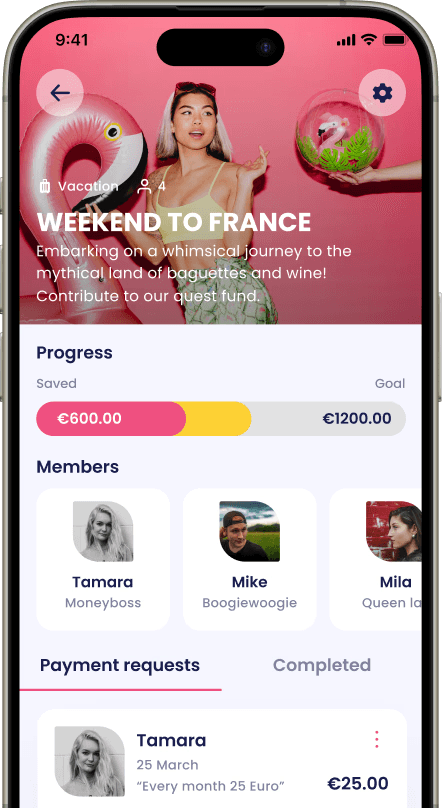
This is where Potje comes in. While Tikkie is designed to get your money back, Potje is designed to bring money together. Understanding this distinction is the key to stress-free group finance. The idea is to make group finances less stressful and more transparent, promoting financial well-being and reciprocity among friends.
Tikkie: The "Pay Me Back" App
Tikkie is a payment request app that excels at speed. It is fundamentally reactive.
How it works: You go for coffee, you pay the bill, and then you send a request to your friend to reimburse you. The amount is raised through a payment link, making it easy to collect funds from everyone involved after the transaction. Recipients typically pay using iDEAL, the most popular online payment method in the Netherlands.
The Limitation: To use Tikkie effectively, one person must always have the funds available to cover the cost upfront. For a coffee, this is fine. But for a group holiday, a festival booking, or a large wedding gift, acting as the “bank” for your friends can be a significant financial burden. In these situations, the organiser often ends up feeling like a debt collector, repeatedly chasing people for payments.
You are left chasing payments and checking your bank account to see who has settled their debt. It is also easy for friends to forget to respond to a request, leading to awkward reminders or unpaid debts. Some people wait a week before following up on unpaid requests, which can delay the process even further. If a week or more has passed without receiving payment, it is acceptable to send a follow-up Tikkie request. For amounts between €10-€20, it is generally considered acceptable to send a Tikkie request if it has been a month since the expense.
Potje: The "Save Together" Solution
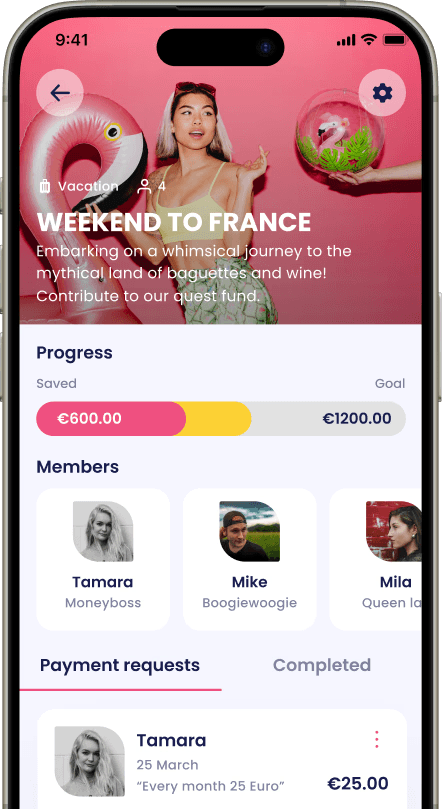
Potje flips the script. It is not about chasing debts; it is about pooling resources. Potje is a digital money pot app that allows groups to collect funds in advance. It is fundamentally proactive. The term "potje" in Dutch means "little pot" and can describe a shared fund for expenses, like a joint vacation fund.
How it works: Instead of paying first and claiming later, you create a Shared Pot for a specific goal. You invite your friends, and everyone contributes their share directly into the app.
The Advantage: By using Potje, the money is ready before the expense occurs. Using Potje encourages positive financial behaviour within groups, helping members develop better habits around saving and managing shared expenses.
No fronting cash: The organiser does not need to empty their savings account to book a villa.
Transparency: Everyone in the group can see the pot growing in real time.
Structure: It separates group money from personal money by acting as a digital joint account for the group, ensuring you do not accidentally spend the holiday budget on groceries.
There is a growing adoption of Potje among groups seeking a more structured and effective way to manage shared expenses.
Direct Comparison: Potje vs Tikkie Features and Use Cases
The Dutch financial sector is rapidly evolving, with digital tools like Potje and the Tikkie app reshaping how young people and families manage their money. Dutch culture has always valued fairness and transparency when it comes to paying and budgeting, and these apps are a direct response to those values—making it easier than ever for users to develop healthy financial habits.
Potje, as featured in ABN AMRO’s BUUT, is all about proactive money management. It allows young users and their parents to create separate pots for different savings goals—think clothing allowance, snacks, or even a future holiday. This approach not only helps young people learn the basics of budgeting, but also gives parents a practical way to teach financial responsibility. By dividing money into clear categories, BUUT’s Potje system encourages users to plan ahead, track their progress, and avoid overspending. It’s a modern take on the classic Dutch idea of “een potje maken” (making a little pot), now powered by digital convenience.
On the other hand, the Tikkie app is the go-to solution for quick, peer-to-peer payments. Whether you’re splitting the bill after dinner, paying for drinks on a first date, or covering a group taxi, Tikkie makes it simple to send payment requests and settle up instantly. Its popularity among Dutch people comes from its speed and ease of use—just a few taps and the money is on its way. For many, sending a Tikkie after a meal or a night out is not just convenient, but also a sign of respect and fairness, ensuring everyone pays their share.
The use cases for each app reflect their core strengths. Potje is ideal for planned expenses and group savings, making it perfect for families, friends saving for a trip, or young people learning to manage their money, or organizing a group holiday where expenses need to be planned and collected in advance. It’s especially useful for parents aiming to instill good financial habits in their children, as it turns budgeting and saving into a positive, goal-oriented experience. Tikkie, meanwhile, shines in spontaneous situations—like splitting the cost of coffee, dinner, or drinks—where a quick payment request keeps things simple and stress-free.
Of course, etiquette plays a role in how these apps are used. While Tikkie is widely accepted for settling bills, some users have raised concerns about sending requests for very small amounts or using it on a first date, where the gesture might feel impersonal. Potje sidesteps these issues by focusing on collective saving and planning, reducing the potential for awkwardness and making group expenses more transparent.
As the financial sector continues to innovate, the adoption of tools like Potje and Tikkie is helping to create a more positive and responsible financial ecosystem in the Netherlands. Banks like ABN AMRO are leading the way, offering digital solutions that make money management accessible, educational, and even fun for young users. The future of financial habits in Dutch culture is bright—centered on convenience, respect, and the idea that managing money should be as easy as enjoying a coffee with friends.
Alternative Payment Options in the Netherlands
The Netherlands has long been at the forefront of financial innovation, and nowhere is this more evident than in the way Dutch people handle everyday payments. In Dutch culture, the act of “te sturen” (sending) a payment request is second nature—whether you’re paying for coffee with friends, splitting the bill at a restaurant, or even navigating the etiquette of a first date. Dutch people prefer to settle the bill as soon as possible to avoid anyone being indebted to another. The Tikkie app may be the most famous example, but it’s just one part of a much larger, rapidly evolving financial ecosystem.
A key trend shaping the Dutch financial sector is the rise of the “de nieuwe bank” (new bank) movement. These digital-first banks, like BUUT from abn amro, and bunq, another popular digital bank known for its innovative group payment features, are designed with young users and their parents in mind. Their mission? To help customers develop healthy financial habits, set and achieve savings goals, and make budgeting a breeze. BUUT encourages young users to save and budget by creating separate pots for spending and saving. Young users of BUUT can only spend what is available in their designated pots, teaching them financial limits. By offering intuitive apps and user-friendly interfaces, these new banks are making it easier than ever for young people to manage their money and for parents to guide their children’s financial education. abn amro has launched several digital banking solutions aimed at young people, focusing on financial education, budgeting tools, and responsible money management. The BUUT initiative was launched in September, highlighting the bank’s commitment to timely and relevant innovation.
Dutch banks are also embracing technology to make paying and getting paid as convenient as possible. Mobile payments, instant payment requests, and seamless online banking are now the norm. For example, it’s common for friends to use a payment app to split the bill after dinner, or for someone to send a quick payment request after covering the cost of drinks. This approach not only streamlines the process but also reflects the Dutch values of fairness and respect—everyone pays their share, and no one is left feeling awkward. Dutch banks, including abn amro, actively hear and respond to customer feedback to continually improve their digital products and services.
Banks in Spain, such as BBVA, are also leveraging digital financial coaching tools and AI-powered features to help customers improve their financial habits. These innovations often use gamification to engage Spanish consumers, address financial stress, and support goal-setting, highlighting an international trend towards digital financial innovation.
The financial sector in the Netherlands is further energized by a thriving fintech scene. Innovative companies are being created to address the needs of young people, families, and even vulnerable groups, ensuring that everyone has access to simple, secure, and positive financial experiences. These initiatives are helping to raise awareness about budgeting, encourage responsible spending, and foster a culture where financial literacy is celebrated. For example, the money in Potje accumulates in an account regulated by the Dutch Central Bank, ensuring security and trust for users. Major fintech events in Europe, such as Money20/20 Europe, serve as important hubs for launching new financial technology and industry developments.
Ultimately, the Dutch approach to money is about more than just paying and getting paid—it’s about building an ecosystem that supports convenience, transparency, and mutual respect. Whether you’re using a new bank to set savings goals, sending a Tikkie after a night out, or exploring the latest fintech solutions, the Netherlands offers a wealth of options for managing your finances. It’s a future-focused culture where everyone, from young users to seasoned customers, can find tools that fit their lifestyle and help them thrive.
Related Services: Integrations and Ecosystem Tools
The Dutch financial sector is undergoing a remarkable digital transformation, with banks and fintech companies racing to meet the evolving needs of their customers. In the heart of Dutch culture, the act of “te sturen”—sending a payment request—has become second nature, thanks in large part to the widespread adoption of the Tikkie app. Whether it’s splitting the bill for coffee with friends or covering dinner after a night out, Dutch people have embraced the convenience and transparency that digital payment tools provide.
A standout example of this shift is ABN AMRO’s BUUT, a new bank initiative designed specifically for young people and their parents. BUUT empowers users to set savings goals, manage their budget, and develop healthy financial habits from an early age. By offering intuitive digital tools, BUUT helps young users—and their families—navigate the world of money with confidence, making budgeting and saving a natural part of daily life. BUUT provides a social media-like feed to deliver financial advice, making learning intuitive and engaging for young users. This initiative reflects a broader movement within the financial sector to promote financial literacy and responsible money management, ensuring that the next generation is well-equipped to handle their finances.
The Tikkie app itself has become a staple in the Dutch financial ecosystem, seamlessly integrating with daily routines and social interactions. Its ease of use and instant payment requests have made it the go-to solution for everything from casual coffees to group dinners. As more young users adopt these digital tools, banks like ABN AMRO are investing in new features and services to keep pace with changing expectations. The integration of interactive elements—such as videos, comments, and personalized notifications—enhances the user experience, making financial management more engaging and accessible.
This focus on innovation is not just about convenience; it’s about fostering a culture of financial responsibility. By making it easy to budget, save, and track spending, these ecosystem tools help users—especially young people—build positive financial habits that will serve them well into the future. The ability to quickly send a payment request or set up a savings goal encourages open conversations about money, reduces financial vulnerability, and strengthens relationships among friends and family.
As the financial sector continues to evolve, we can expect even more creative solutions to emerge. Companies are constantly exploring new ways to support their customers, from advanced budgeting tools to community-driven features that encourage saving and sharing. The adoption of digital banking services like BUUT and the Tikkie app is only set to grow, as Dutch people become increasingly comfortable managing their money online.
In the end, the integration of related services and ecosystem tools is shaping a future where financial literacy, convenience, and positive habits go hand in hand. Whether you’re sending a Tikkie after dinner, setting a savings goal with BUUT, or exploring the latest features from your bank, the Dutch approach to money is all about making finance simple, social, and empowering for everyone.
Key Differences at a Glance
While both apps handle money, they serve different social functions.
1. Timing of Payment
Tikkie: Post-payment. You pay the merchant first, then ask friends for money.
Potje: Pre-payment. Friends contribute to the pot first, then you pay the merchant from the pot.
2. The “Money Boss” Role
With Tikkie, the organiser is a debt collector. It can feel awkward to send reminders to friends who are late paying. With Potje, the organiser is the “Money Boss.” The app provides a clear overview of who has contributed. Because the collection happens before the event, there is no social friction or awkward conversations about money during the event itself. This approach helps maintain a positive relationship between the organiser and the group by reducing awkwardness and fostering trust.
3. Use Cases
Use Tikkie for: Spontaneous dinners, rounds of drinks, or splitting a taxi.
Use Potje for: Planned events. This includes Gift Pots for birthdays, collecting budget for a team outing, or saving monthly for a summer holiday, or acting as a digital kitty for any group expense.
Usage and Etiquette: The Unwritten Rules
Navigating group payments requires understanding the subtle etiquette that shapes financial culture.
For Dutch people, splitting the bill is standard, but timing matters. Sending a Tikkie request for a round of coffee might come across as stingy, whereas using the app to settle a large dinner bill is expected. It is generally acceptable to send a Tikkie request after you get home or the next morning, rather than immediately after the meal. Opinions differ on what is considered appropriate, and social norms can vary depending on the group or situation.
Potje solves the etiquette problem for larger expenses. By setting up a pot weeks in advance (e.g., for a friend’s birthday gift), you give people time to contribute without the pressure of an immediate “pay me now” demand. This approach eliminates the need to keep a running tab among friends, making group expenses simpler and more transparent. It removes the abrupt nature of a payment request.
What are your experiences with group payments or Tikkie etiquette? Share your opinions in the comments below!
Why Young People Are Switching to Potje for Groups
Younger generations value transparency and automation. They are increasingly wary of debt and prefer to have the money sorted upfront rather than owing friends money for weeks. Potje is aiming to make group payments more transparent and stress-free by providing a clear, upfront way to manage shared expenses.
Potje’s shared pots cater to this mindset. It functions as a digital kitty, making it easy for groups to pool money for shared expenses. It allows users to set a target amount and track progress visually. Potje refers to pooling money for shared expenses, often meaning to manage it manually or with a dedicated app. As an initiative designed to solve the challenges of group expense management, Potje uses a gamified approach to saving that makes the process satisfying rather than stressful.
Furthermore, Potje handles the heavy lifting of organisation. In a culture where etiquette matters—and sending a payment request too late can be seen as sloppy—Potje solves the issue by centralising the funds from day one.
Best Practices for Using Payment Apps
Navigating the world of payment apps in the Netherlands means more than just knowing how to send a Tikkie—it’s about understanding the financial habits and cultural nuances that shape everyday interactions. In Dutch culture, there’s a strong emphasis on fairness, respect, and convenience when it comes to money, especially among young people and new users of digital banking tools.
When you’re out for coffee or dinner, especially on a first date, it’s important to consider the unwritten rules before reaching for your phone to send a payment request. For example, while it’s common for Dutch people to split the bill, sending a Tikkie for a very small amount—like a single coffee or a round of drinks—can sometimes be seen as stingy or even a bit sad. In these moments, it’s often more polite to simply pay and trust that the other person will offer to cover the next round or return the favor in the future. This approach not only shows respect but also helps build positive relationships.
For young users and parents, teaching good financial habits is key to building a secure future. Initiatives from new banks, such as ABN AMRO’s BUUT, are making it easier for young people to learn about budgeting, setting savings goals, and managing money responsibly. By using these tools, customers can develop a healthy relationship with money and gain confidence in handling payment requests and group expenses. Some users may also benefit from enrolling in a structured financial literacy course, which offers a set curriculum and expert guidance to help achieve specific financial goals and improve money management skills.
When using payment apps, always be considerate of the other person’s financial situation. Avoid sending payment requests for trivial amounts, and instead focus on creating a positive and convenient experience for everyone involved. If you’re unsure, a good rule of thumb is to ask yourself whether you’d feel comfortable receiving the same request. This mindset helps foster a respectful and supportive financial ecosystem, where everyone feels valued.
Ultimately, the best practice is to combine the convenience of payment apps like Tikkie with the thoughtful approach that defines Dutch culture. By prioritizing respect, clear communication, and good budgeting habits, you’ll not only avoid awkward moments but also contribute to a more positive and future-focused financial sector in the Netherlands. Whether you’re a young person, a parent, or simply someone who enjoys a coffee with friends, these small gestures go a long way in building trust and making every payment experience a little brighter.
Conclusion: Complementary, Not Competitive
The reality is that a smart financial life likely includes both apps. Tikkie is unbeatable for quick, one-off reimbursements. But for everything else—where planning, collaboration, and higher costs are involved—Potje is the superior tool.
Don't let the stress of fronting cash ruin your group plans. By shifting from a "pay me back" mindset to a "let's save together" mindset, you ensure that the focus remains on the fun, not the finance.
Ready to organise your next group event without the headache? Download Potje today and start your first shared pot.

Social Accountability and Saving: The Missing Link to Financial Freedom
Ondersteuning voor verschillende inhoudstypes zoals artikelen, blogs, video's en meer. Rijke tekstverwerker met opmaakopties voor verbeterde.
17 november, 2025

Group Saving Apps Compared: What's Easiest, Safest, and Most Transparent?
Ondersteuning voor verschillende inhoudstypes zoals artikelen, blogs, video's en meer. Rijke tekstverwerker met opmaakopties voor verbeterde.
17 november, 2025

Group Money Platforms Compared: What’s Safe, Regulated, and Fair?
Ondersteuning voor verschillende inhoudstypes zoals artikelen, blogs, video's en meer. Rijke tekstverwerker met opmaakopties voor verbeterde.
17 november, 2025