9 January, 2026



Introduction to Joint Finances
For couples, flatmates, or any group in relationships pursuing a common financial goal, saving together is crucial for achieving a secure future. However, managing money collectively requires more than just goodwill; it demands open and honest communication about spending habits and priorities. Having a clear understanding of each other's financial habits can reduce the likelihood of arguments about money, fostering a more harmonious relationship.
The common dilemma is choosing the right structure: relying on joint bank accounts, maintaining separate accounts, or opting for a combination of both. Some relationships choose to combine finances fully, while others prefer to keep money separate, depending on how they live together and their stage as a couple. While a joint account promotes teamwork, it often sacrifices individual financial privacy, and sometimes one partner may want more financial integration than the other partner. According to a survey, 34% of couples have a mix of joint and separate accounts, which can provide the ideal middle ground, offering a dedicated, transparent system that makes collective saving feel better and work better.
Why Saving Together is Psychologically Rewarding
Saving as a group works because it harnesses the power of social capital and shared momentum, turning a solitary struggle into a team sport. Working toward shared goals and managing shared assets can positively impact the lives of everyone involved, fostering a sense of unity and responsibility around collective assets and future plans. Communal saving practices also provide significant psychological benefits like enhanced well-being, social connection, and discipline.
1. Building a Shared Emergency Fund
Creating a collective financial cushion, whether for a couple’s unexpected expenses or a flatmate’s shared repairs, provides unparalleled security. When building an emergency fund together, couples or groups can decide how to split contributions—whether each pays the same amount, half, or bases their share on rent and other shared expenses—ensuring fairness and transparency in how everyone contributes. Couples often choose to split expenses based on their income levels rather than equally, which can help maintain fairness and reduce financial strain.
The Potje Advantage: Instead of merging all finances into a joint bank account, groups can use Potje to create a specific, ring-fenced ‘Emergency Pot.’ This allows individuals to maintain their separate accounts for personal spending while contributing regularly to the collective safety net. Each member can contribute their share, track what has been paid, and ensure everyone is up to date with their part.
2. Handling Finances as a Unified Team
Handling finances as a team requires open communication and a clear division of responsibilities, especially when it comes to discussing financial matters that affect both partners. Traditional joint accounts can muddy the waters, making it hard to track who is accountable for what. In fact, 27% of couples cite money reasons as the most common reason for arguing with a partner, highlighting the importance of clear financial communication.
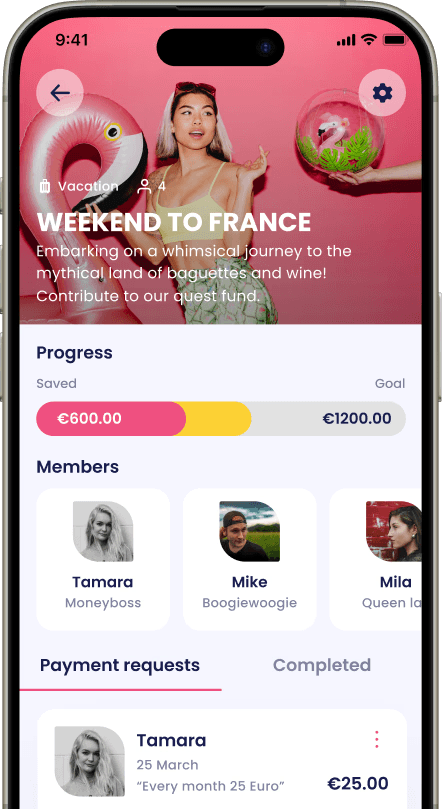
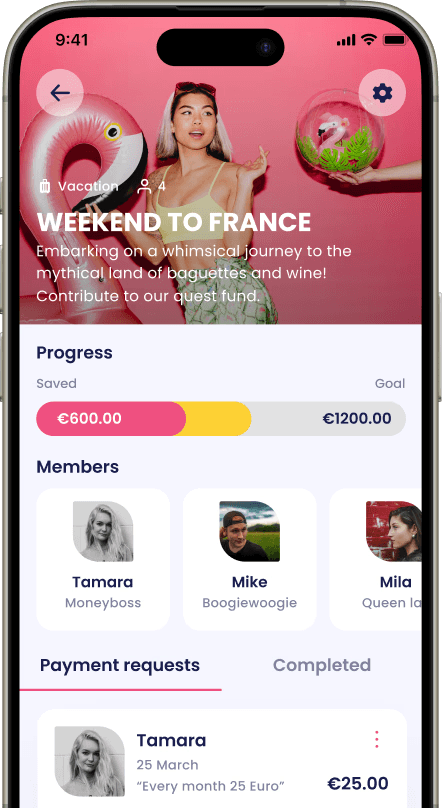
Transparency and Cooperation: Potje promotes a sense of unity by providing a clear, real-time dashboard visible to all members. This transparency ensures every person is accountable for their contributions and helps partners manage shared expenses without relying on awkward conversations or complicated spreadsheets. Each person can see what has been discussed regarding financial matters and seek advice if needed, fostering trust and proactive planning.
Combining Finances Effectively with Potje
The most effective approach to combining finances is to use a hybrid model—separate for personal autonomy, shared for collective goals—allowing couples to manage both their shared finances and their own money.
This approach helps partners track how they spend both collectively and individually, supporting transparency and open communication about financial decisions.
Benefits of the Potje Approach over Traditional Bank Accounts
Feature | Joint Bank Account | Potje Digital Pot |
Financial Privacy | Low; both parties see all transactions. | High; individuals maintain separate accounts for personal spending. |
Goal Focus | General use; money can be accidentally spent. | Dedicated to a specific, visible goal (e.g., ‘Holiday Fund’). |
Teamwork & Accountability | Shared responsibility for all transactions/debts. | Clear tracking of individual contributions, promoting ownership. |
Ease of Use | Requires formal bank set-up and commitment. | Instant setup for a flexible, short or long-term collection. |
For example, a husband and wife can use Potje to split household expenses more transparently than with a traditional joint account. If one partner prefers to contribute a different amount, Potje allows each person to see exactly who paid what, making it easier to manage shared costs and avoid misunderstandings. This approach helps ensure that both the husband and wife have clarity and control, supporting honest communication and financial harmony.
Potje removes the friction from managing shared money. It streamlines the process of paying bills, saving for retirement, or investing in a shared future by making contributions automatic and the progress visible. This clear picture of the shared financial situation helps couples and groups make informed, collaborative decisions.
Maximizing Earnings as a Team
Maximizing earnings as a team starts with an open and honest conversation about your financial goals, spending habits, and financial priorities. When both partners are on the same page, it becomes much easier to work together toward a secure future, free from the stress of personal debt and unexpected expenses. By discussing and agreeing on financial expectations, you can ensure that both of you are contributing fairly to shared expenses and working toward the same objectives.
Combining finances through joint bank accounts, a joint account, or even a dedicated one pot for shared expenses can simplify the process of budgeting, paying bills, and saving for big milestones like a house or retirement. This approach allows you to track your income, spending, and savings goals in one place, making it easier to spot opportunities to save more money or invest for the long term. Regularly reviewing your financial situation together helps you stay on track, adjust your budget as life changes, and avoid falling into debt.
Creating an emergency fund as a team is another smart move, providing a safety net for those unexpected expenses that life can throw your way. By splitting expenses fairly and making sure each partner is contributing according to their means, you build trust and a sense of shared responsibility. Financial safety nets provide a sense of security and control that significantly reduces anxiety associated with financial instability. This teamwork not only helps you achieve your shared financial goals but also strengthens your relationship and sets you up for a more stable, secure life together.
Ultimately, when partners work together to handle money, make financial decisions, and plan for the future, they can achieve more than they could alone. Effective budgeting, saving, and investing strategies help you make the most of your combined income, create wealth, and enjoy the peace of mind that comes from knowing you’re building a solid foundation for your future—together. Couples who work together on their finances often feel more satisfied in their relationship, as collaboration fosters trust and mutual understanding.
Long-Term Financial Planning and Collective Achievement
For long-term financial planning, such as saving for a house deposit or a child’s education, Potje is an invaluable tool. For families with children, having a clear view of what has been saved helps support the entire family and ensures everyone’s needs are considered. It acts as the secure, transparent vehicle to drive consistent saving.
By setting up a Potje for a shared goal, groups create a constant, visual reminder of their objective, motivating them to stay on track and review their progress regularly. This collective commitment builds financial habits that lead to lasting security and stability for the whole family. Reaching a shared goal together enhances feelings of satisfaction and happiness among group members, strengthening their bond and commitment to future objectives.
Ready to simplify your shared savings and make teamwork effective? Start your dedicated Potje today and achieve your goals faster.

Social Accountability and Saving: The Missing Link to Financial Freedom
Ondersteuning voor verschillende inhoudstypes zoals artikelen, blogs, video's en meer. Rijke tekstverwerker met opmaakopties voor verbeterde.
17 november, 2025

Group Saving Apps Compared: What's Easiest, Safest, and Most Transparent?
Ondersteuning voor verschillende inhoudstypes zoals artikelen, blogs, video's en meer. Rijke tekstverwerker met opmaakopties voor verbeterde.
17 november, 2025

Group Money Platforms Compared: What’s Safe, Regulated, and Fair?
Ondersteuning voor verschillende inhoudstypes zoals artikelen, blogs, video's en meer. Rijke tekstverwerker met opmaakopties voor verbeterde.
17 november, 2025
