15 December 2025



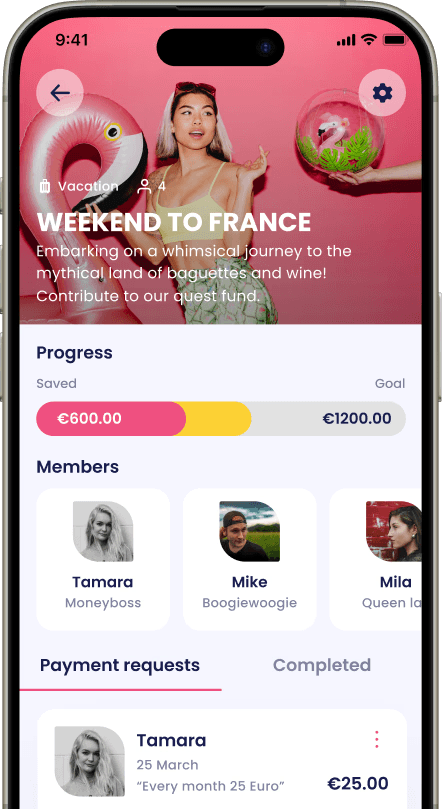
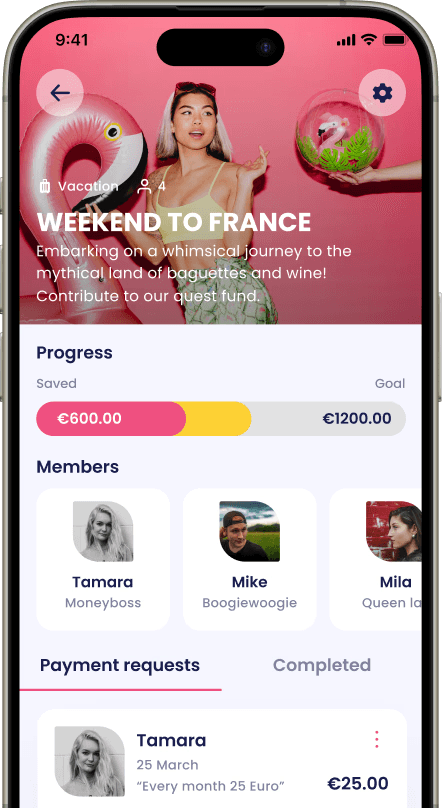
Community fundraising has always been about people coming together—whether to support a local sports team, help a neighbor in need, or back a meaningful social initiative. But as communities evolve and digital habits become the norm, the way we fundraise is transforming too. Today, digital fundraising tools are reshaping how we connect, contribute, and create impact. Digital methods are becoming the future of community fundraising due to unparalleled convenience, expanded global reach, cost-effectiveness, and enhanced transparency for donors. Digital fundraising also helps overcome geographic limitations, enabling supporters from anywhere in the world to participate and contribute.
If your school, club, neighborhood group, or volunteer initiative still leans on old-fashioned cash envelopes, sign-up sheets, or door-to-door collections, it may be time to rethink your approach. Optimizing nonprofit websites for mobile devices is essential as a majority of traffic comes from smartphones and tablets, making it easier for supporters to engage and contribute.
Introduction to Digital Fundraising
Digital fundraising is revolutionizing the way charities raise funds and engage with their communities.
Community fundraising is shifting towards digital platforms, enabling charities to reach a wider audience and build stronger connections with supporters.
The charity sector is embracing digital fundraising efforts to stay relevant and effective in raising funds. Many charities are adapting their strategies to meet the demands of the digital age.
Online crowdfunding platforms and social media campaigns are becoming essential tools for charities to encourage donations and build long-term relationships with donors.
Data has become an invaluable asset for charity organisations, enabling them to refine strategies and improve outcomes. New technologies and donor expectations require charities to innovate and develop new engagement models.
Benefits of Digital Fundraising
Digital fundraising provides a cost-effective way for charities to raise money and reach a larger audience.
Digital fundraising has contributed to the growth of individual giving, especially among younger donors who prefer online channels and value transparency and impact-driven campaigns.
Recurring donations, such as monthly donations, are a key benefit of digital fundraising, allowing charities to rely on a steady stream of income.
Digital fundraising enables charities to track donor engagement and behavior, making it easier to tailor fundraising strategies and improve donor involvement.
Community fundraisers can use digital platforms to share their stories and experiences, helping to build trust and credibility with potential donors. Digital platforms also make it easier to engage existing supporters and increase retention by deepening relationships and leveraging data.
Monthly giving programs are essential for consistent funding, providing charities with financial stability and predictability.
Donor Engagement and Involvement
Donor involvement is critical to the success of digital fundraising campaigns, with donors expecting to be engaged and informed throughout the donation process. Providing personalised experiences, such as tailored updates and individualised support, is essential to enhance donor satisfaction and strengthen relationships.
Social media platforms provide an opportunity for charities to engage with donors and build a community around their cause.
Online donations and virtual events are becoming increasingly popular, allowing charities to reach a wider audience and encourage donations from individual donors. Digital fundraising also enables innovative donation requests, such as text-to-donate and AI-driven personalized solicitations, to boost donor engagement and contributions.
Community fundraisers can use social media to share updates and stories, helping to build stronger connections with supporters and encourage repeat donations.
Campaigns that share updates every five days raise three times more than those that don’t, highlighting the importance of consistent communication.
Timely follow ups after virtual events or campaigns can significantly increase donor retention and engagement by maintaining momentum and fostering ongoing relationships.
Understanding Donor Expectations
In today’s digital landscape, donor expectations are higher than ever, and charities must evolve to meet these changing demands. Supporters now look for a seamless, personalized experience when engaging with community fundraising initiatives. They want to see the direct impact of their contributions and be actively involved in the fundraising process, not just as donors but as valued members of a community.
To keep donors engaged and encourage donations, charities need to focus on building long-term relationships through regular, meaningful communication. Personalized updates, recognition of contributions, and opportunities for involvement—such as interactive campaigns or virtual events—help foster a sense of belonging and trust. Monthly donors, in particular, are vital for sustaining fundraising efforts, providing reliable funding that allows charities to plan ahead and expand their impact.
Online crowdfunding platforms and social media campaigns have become essential tools for reaching new donors and boosting engagement. By leveraging these online platforms, community fundraisers can share real-time updates, celebrate milestones, and invite supporters to participate in virtual events or exclusive experiences. Offering premium tiers or achievement badges can further motivate donors and reward their ongoing support.
Data-driven decision making is key to understanding and meeting donor expectations. By tracking supporter behavior and analyzing campaign results, charities can refine their fundraising strategies, tailor communications, and deliver more personalized experiences. Email automation and targeted social media campaigns make it easier to keep donors informed and involved, strengthening connections and building trust over time.
Ultimately, adapting to emerging trends and prioritizing donor involvement will help charities raise funds more effectively, attract new supporters, and create lasting impact. By focusing on donor engagement and providing clear opportunities for direct impact, charities can future-proof their fundraising efforts and continue to build stronger, more resilient communities.
The Role of Social Media in Fundraising
Social media is a powerful tool for charities to raise awareness and funds, with platforms like Facebook and Twitter providing a wide reach and engagement opportunities.
Social media campaigns can be used to boost engagement and encourage donations, with charities using hashtags and tagging to increase visibility.
Community fundraisers can use social media to share their experiences and stories, helping to build a community around their cause and encourage donations.
Charities can encourage supporters to leverage their personal networks on social media by asking them to share fundraising campaigns with their friends, family, and colleagues. This approach helps expand the reach of campaigns and taps into new donor circles through supporters' personal connections.
Social media analytics provide valuable insights into donor behavior and engagement, helping charities to refine their fundraising strategies and improve donor involvement.
Video content is increasingly used to create emotional connections and showcase the tangible impact of donations.
Data Analysis and Decision Making
Data analysis is critical to the success of digital fundraising campaigns, with charities using data to track donor engagement and behavior.
Data-driven decision making enables charities to refine their fundraising strategies and improve donor involvement, helping to increase donations and build stronger connections with supporters.
Community fundraisers can use data to identify trends and patterns in donor behavior, helping to inform their fundraising strategies and improve outcomes.
Online platforms and tools provide charities with the ability to track and analyze data, helping to save time and improve decision making.
AI and automation are used by organizations to analyze donor data, segment audiences, customize outreach, and automate tasks to enhance campaign effectiveness. It is essential to conduct due diligence when adopting new technologies to ensure their ethical and effective use in fundraising.
Building Trust and Credibility
Building trust and credibility is essential for charities to succeed in digital fundraising, with donors expecting transparency and accountability.
Community fundraisers can use social media and online platforms to share updates and stories, helping to build trust and credibility with potential donors.
Clear objectives and measurable results are critical to building trust and credibility, with charities using data and analytics to demonstrate their impact.
Blockchain technology is being used by some charities to provide a secure and transparent way to track donations and demonstrate impact.
Transparency and accountability have shifted from being merely desirable to becoming essential pillars for the future of charity organizations.
Integrating environmental sustainability and diversity initiatives into charity operations can further build trust and credibility with supporters, as these practices show a commitment to inclusion, equity, and responsible stewardship.
Addressing Global Challenges
Digital fundraising provides an opportunity for charities to address global challenges, such as climate change, and make a lasting impact.
Community fundraisers can use online platforms and social media to raise awareness and funds for global causes, helping to build a community around their cause.
Charities can use digital fundraising to provide support and services to communities affected by global challenges, helping to build stronger connections with supporters and encourage donations.
Online donations and virtual events provide a way for charities to raise funds and awareness for global causes, helping to make a lasting impact.
Younger donors are increasingly motivated to support causes that align strongly with their values, such as climate change and social justice.
Younger generations are driving digital fundraising trends, preferring to engage with charities through online platforms, storytelling, and crowdfunding campaigns. Adapting strategies to connect with this demographic is essential for securing future support.
Sharing volunteer experiences through digital channels can inspire donors, enhance storytelling, and strengthen the connection between supporters and the organization’s mission.
Practical Steps to Digital Fundraising
Charities can take practical steps to digital fundraising by setting up online donation platforms and social media accounts.
Crowdfunding sites play a crucial role in helping charities reach a global audience and increase donations by leveraging online platforms.
Community fundraisers can use online tools and platforms to share their stories and experiences, helping to build a community around their cause.
Charities can use email automation to save time and improve communication with donors, helping to build stronger connections and encourage repeat donations.
Online crowdfunding platforms provide a way for charities to raise funds and awareness for specific projects, helping to build a community around their cause.
Online auctions can be used as an engaging digital fundraising method, especially for virtual or hybrid events, allowing donors to participate remotely and increasing outreach.
Peer-to-peer fundraising empowers supporters to seek donations within their own social networks, expanding reach and credibility, particularly among younger demographics. Social enterprises can also use innovative fund strategies, such as sales that directly support their mission.
The Future of Community Fundraising
The future of community fundraising is digital, with online platforms and social media providing a way for charities to raise awareness and funds.
Community fundraisers can use digital fundraising to build stronger connections with supporters and encourage donations, helping to make a lasting impact.
Charities can use digital fundraising to address global challenges and provide support and services to communities, helping to build a community around their cause.
Virtual galas are becoming increasingly popular as an effective way to engage supporters and raise funds online, offering interactive experiences, reducing event costs, and attracting new donors through streaming and hybrid formats.
Online donations and virtual events will continue to play a critical role in community fundraising, helping charities to raise funds and awareness for their cause.
Developing strategies to convert one-time donors into long term supporters is essential for sustained success, as ongoing engagement helps organizations build a committed donor base that contributes to both fundraising and decision-making processes.
Final Thoughts
Digital fundraising isn’t just a trend—it’s a natural evolution driven by modern habits, technology, and community expectations. It allows organizations to raise more money, reach more people, and reduce administrative stress, all while fostering stronger engagement.
Whether you’re supporting a community project, school initiative, sports club, or neighborhood cause, going digital makes fundraising smarter, safer, and more impactful.
FAQs
1. Is digital fundraising secure for community groups?
Yes. Most digital fundraising platforms use encrypted payment systems, secure gateways, and verified transaction logs, ensuring both organizers and contributors are protected from errors or misuse.
2. Do contributors need special apps or accounts to donate digitally?
Usually not. Many platforms allow supporters to donate using a simple link or QR code via common payment methods like iDEAL, Tikkie, or credit card—no account creation required.
3. What if some community members still prefer donating with cash?
Organizers can still accept cash and manually add these contributions to the digital total. This keeps everything transparent and centralizes the final amount without excluding anyone.
4. Can digital fundraising work for small or local groups?
Absolutely. Digital tools are not only for large organizations. Schools, sports teams, scouting groups, neighborhoods, and volunteer clubs use them successfully because they’re easy, low-cost, and widely accessible.
5. How do digital tools help increase participation?
Digital fundraising eliminates barriers: people can donate anytime, from anywhere, in seconds. Sharing links via WhatsApp, email, or social media also increases visibility, helping reach more supporters quickly.

Social Accountability and Saving: The Missing Link to Financial Freedom
Ondersteuning voor verschillende inhoudstypes zoals artikelen, blogs, video's en meer. Rijke tekstverwerker met opmaakopties voor verbeterde.
17 november, 2025

Group Saving Apps Compared: What's Easiest, Safest, and Most Transparent?
Ondersteuning voor verschillende inhoudstypes zoals artikelen, blogs, video's en meer. Rijke tekstverwerker met opmaakopties voor verbeterde.
17 november, 2025

Group Money Platforms Compared: What’s Safe, Regulated, and Fair?
Ondersteuning voor verschillende inhoudstypes zoals artikelen, blogs, video's en meer. Rijke tekstverwerker met opmaakopties voor verbeterde.
17 november, 2025