20 March 2026


Introduction to Payment Processing in the European Union
The landscape of payment processing in the European Union and the wider European Economic Area is evolving rapidly. With millions of transactions occurring daily, the market is driven by a need for secure payments and efficient payment systems.
For online businesses and merchants looking to accept payments, choosing the right payment processor is critical. Whether facilitating in store purchases or paying online, the right infrastructure ensures data security and customer trust. Today, payment service providers are central to this ecosystem, helping companies and clients navigate the complexities of international finance.
European Payment Gateways and Systems
Top payment gateways in Europe act as the technological bridge between merchants and customers. European payment gateways like Adyen and Stripe allow businesses to process payments efficiently. However, these are just one part of the puzzle.
To truly succeed, developers often look for developer friendly APIs that allow them to integrate custom checkout flows. A robust payment gateway supports multiple currencies, ensuring that consumers across different European countries can pay using their preferred local payment methods.
Integration: Easy integration with existing platforms.
Functionality: Advanced analytics and reporting functionality.
Support: Multi-language support for diverse markets.
The Role of Payment Service Providers
Payment service providers (PSPs) offer more than just a gateway; they provide a comprehensive payment service. Payment service providers manage the entire transaction flow, often handling bank transfer logistics, card processing, and fraud protection.
For businesses operating across the EU, payment service providers reduce the administrative burden. Payment service providers also help marketplaces handle complex invoicing and pricing models. When selecting payment service providers, it is essential to compare transaction fees and the overall cost. The value provided by top payment service providers often outweighs the fees, as they offer better security and compliance with European Union regulations.
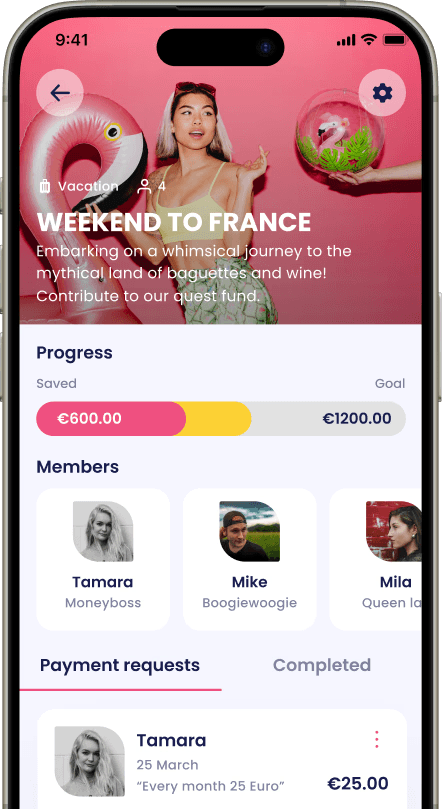
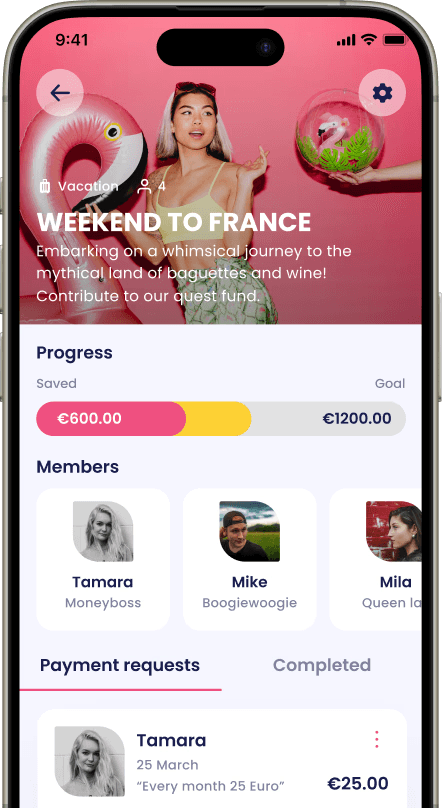
Potje: A Unique Payment Service for Group Finance
While many payment service providers focus on B2B marketplaces, there is a distinct need for consumer-focused payment systems. This is where Potje stands out as a leading solution.
Unlike standard banks, Potje is a specialised platform designed for the Netherlands and broader Europe. It solves the common problem of one person having to pay upfront.
Group Money: Potje allows you to collect money without sharing your personal bank account details.
Control: You maintain full control over the account and funds.
Convenience: It offers the convenience of a digital wallet without the risk of handling physical cash.
As one of the innovative payment service providers in the market, Potje offers a secure way to manage group funds.
Open Banking and Instant Payments
The future of payments lies in open banking and instant payments. Open banking allows payment service providers to connect directly with banks, bypassing traditional card networks. This results in lower fees and faster transactions.
European payment trends show a massive shift toward instant payments. Banks across the EU are adopting open banking standards to facilitate real-time transfers. Payment service providers that leverage open banking can offer merchants and consumers significant benefits, such as reduced fraud risk and immediate liquidity.
Regulation and The European Payments Council
The European Payments Council plays a vital role in harmonising payments across the EU. They oversee standards like SEPA, ensuring that payment service providers and banks adhere to strict guidelines.
Compliance is mandatory for all payment service providers operating in Europe. This ensures that data is stored securely and that merchants can rely on the payment service to handle sensitive information. Whether it is PayPal, traditional banks, or modern payment service providers, adherence to these regulations protects consumers.
Security and Future Trends
Security is the cornerstone of the payment industry. Payment service providers invest heavily in innovation to combat fraud. Features like recurring payments and tokenisation ensure that customers can store their details safely.
As markets evolve, payment service providers will continue to introduce new payment options. Companies that integrate these solutions will see improved benefits in customer retention.
Discover the benefits of Potje, a solution that aligns with the highest standards of European payment service security.
Conclusion
Choosing the right partners, whether they are banks, payment gateways, or payment service providers, is essential for success in Europe. From open banking to developer friendly APIs, the tools available today are more powerful than ever.
For personal and group finance, payment service providers like Potje offer a tailored, secure payment service that simplifies how we collect and spend money.
Ready to streamline your group payments?Start using Potje today.

Social Accountability and Saving: The Missing Link to Financial Freedom
Ondersteuning voor verschillende inhoudstypes zoals artikelen, blogs, video's en meer. Rijke tekstverwerker met opmaakopties voor verbeterde.
17 november, 2025

Group Saving Apps Compared: What's Easiest, Safest, and Most Transparent?
Ondersteuning voor verschillende inhoudstypes zoals artikelen, blogs, video's en meer. Rijke tekstverwerker met opmaakopties voor verbeterde.
17 november, 2025

Group Money Platforms Compared: What’s Safe, Regulated, and Fair?
Ondersteuning voor verschillende inhoudstypes zoals artikelen, blogs, video's en meer. Rijke tekstverwerker met opmaakopties voor verbeterde.
17 november, 2025