30 December 2025
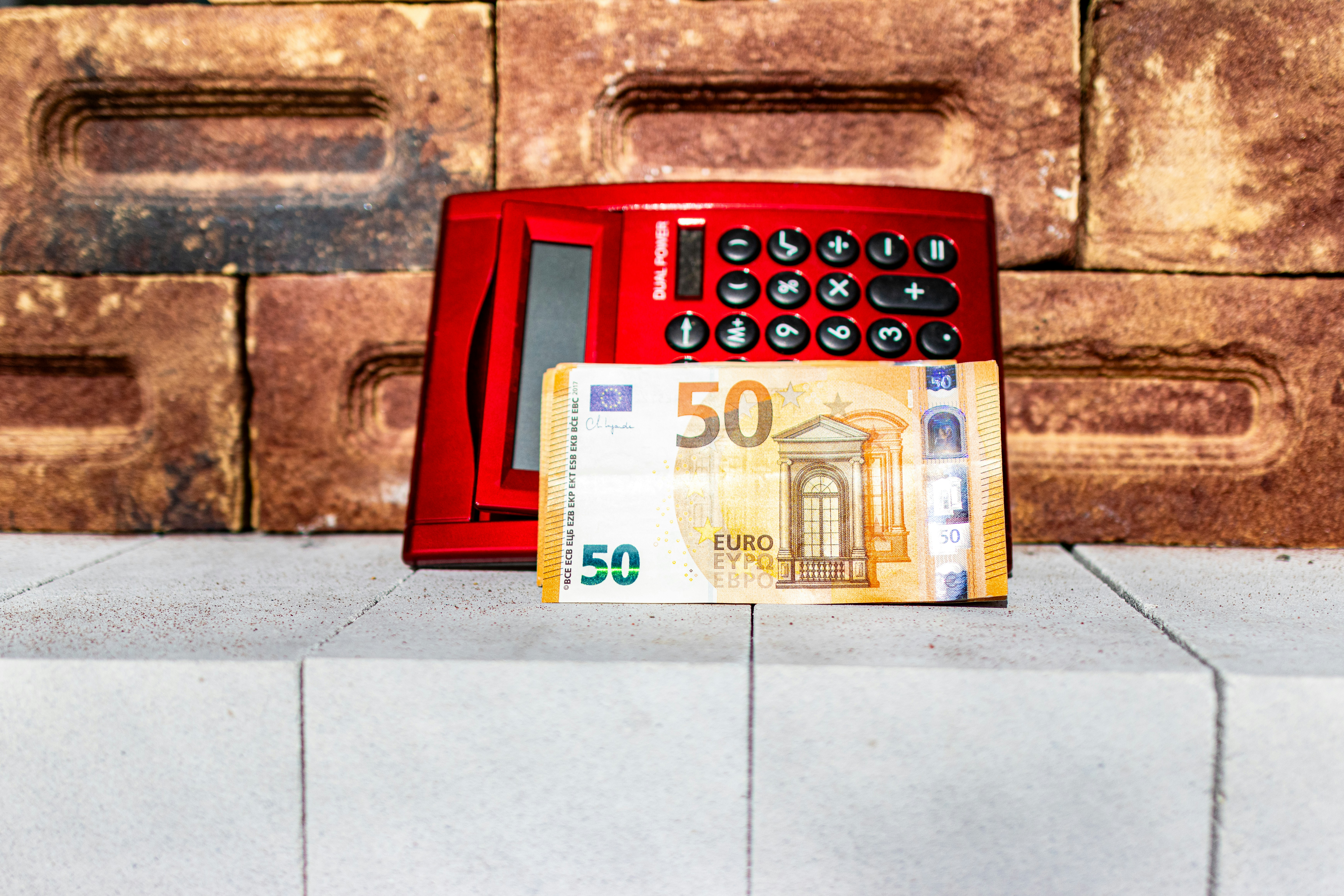


In our rapidly evolving digital world, the way consumers and customers handle money is transforming. While cash services have continued relevance for some, the global shift towards digital payments is undeniable. We are moving away from cash and traditional bank methods towards more efficient payment instruments. For groups, this evolution is critical. Whether you are making payments for a holiday or collecting funds for a gift, relying on cash or a personal bank account is becoming obsolete. The COVID-19 pandemic significantly changed payment behavior, leading to an increase in electronic payments. However, in 2024, over half of point-of-sale transactions in Europe were still made with cash, highlighting the ongoing importance of cash in certain regions.
The Decline of Cash Services and Cash Payments
For decades, cash was the primary way to pay. However, cash has significant downsides. Cash users who prefer cash often overlook the risks involved. When you hold cash, you possess a physical item that can be lost or stolen. Millions in cash and dollars are lost annually due to theft and negligence. Despite these risks, cash use remains persistent among a broad spectrum of the population, even as digital adoption increases. Many consumers still prefer cash for budgeting and privacy reasons, valuing its simplicity and anonymity.
Cash services typically require physical presence. You must visit a store or bank branches to deposit cash. This adds cost and reduces convenience. Furthermore, cash payments are hard to track. Unlike digital payments, cash leaves no digital footprint. If you lose a receipt, that cash transaction is gone. Cash simply cannot offer the same level of data tracking as online methods. Digital transactions, on the other hand, leave a clear, traceable record, simplifying monitoring and investigation of discrepancies.
For small businesses and groups acting like a business, managing cash is a burden. You have to store the cash, count the cash, and physically transport the cash to a bank. The income or savings held in cash do not generate interest, and the value of cash is static. In most cases, the risk associated with cash handling far outweighs the benefits. The adoption of digital payment tools, however, is influenced by personal choice and the persistence of cash habits.
Why Personal Bank Accounts Are Not the Solution
To avoid cash, many people turn to their personal bank accounts. They ask friends to send bank transfers. While online banking provides easier access than cash, it creates new problems. The digital transformation is also changing how banks operate, leading to a scaling back of physical infrastructure.
The risk of cash and the messiness of personal bank accounts are problems of the past. Digital payments offer a secure, efficient, and transparent way to manage group money. Licensed digital financial service providers are subject to strict government regulation and may participate in deposit insurance schemes, ensuring an additional layer of security for users.
The Rise of Digital Payments and Services
Digital payments and online services have revolutionized how we interact with money. Digital platforms offer services that traditional bank branches cannot match. With the rise of the mobile device and mobile applications, access to financial services is instant.
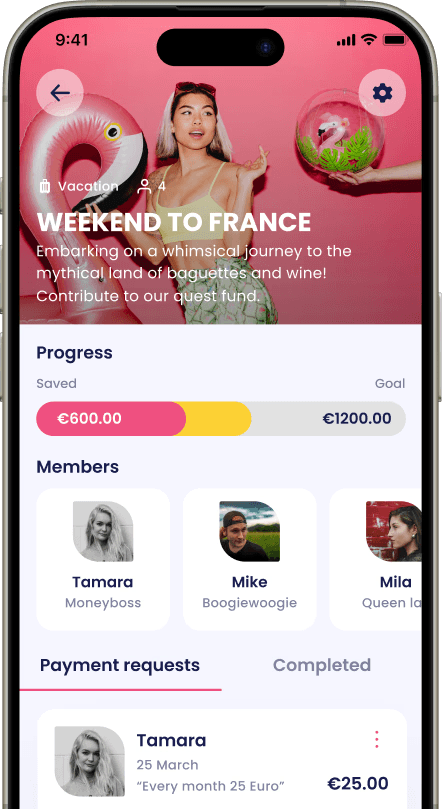
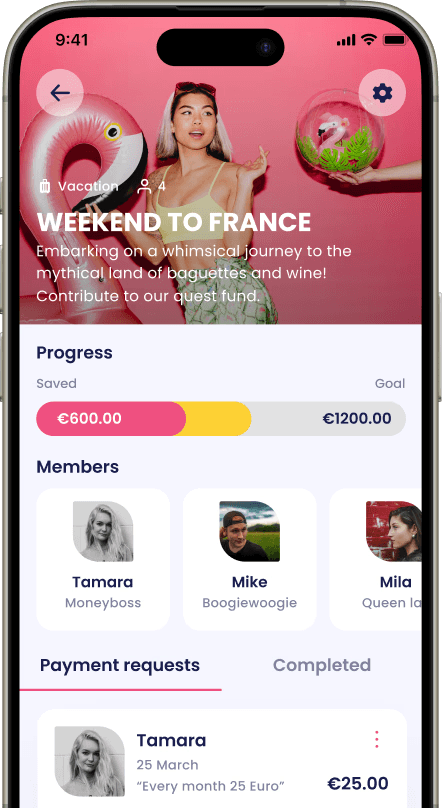
Digital payments allow for real-time tracking. Services like Potje focus on providing a specific service for groups: safe collection. Unlike a standard bank, these digital services are designed to handle multiple payments from different customers or friends seamlessly. Digital group saving platforms typically allow for remote access and management of funds without physical meetings, making them highly convenient for modern users.
Mobile payments and digital wallet technologies have made making payments faster. You no longer need a physical debit card or credit card for every transaction. Payment instruments stored on your phone allow for secure point of sale transactions and online transfers.
Security in the Digital Age
Security is the main difference between cash and digital payments.
Multi-Factor Authentication: Modern digital services use multi-factor authentication. Even if someone steals your password, they cannot access your account without your phone.
Encryption: Digital payments are encrypted. Your data is safe. This is safer than using the same password for everything. Encryption involves replacing sensitive data with unique digital tokens for each transaction, protecting actual account information.
No Physical Risk: Unlike cash, you cannot physically lose a digital payment. The funds are held securely.
Treating Group Collections Like a Business
When you organise a group, you are effectively running a small business. You have income (contributions), expenses (the gift or trip), and customers (your friends). Small businesses do not keep their money under a mattress; they use professional services.
Groups should do the same. By using services like Potje, you professionalise the process. You create a transparent record of all payments. You provide users with value and convenience. You allow them to use their debit or credit card securely. This focus on professional financial services ensures that debt is tracked and savings are protected. Transactions in digital group saving platforms are automatically recorded in a digital database, reducing human error and providing a transparent audit trail. Additionally, 63% of consumers worry about losing access to cash, and 44% want to use it across digital and physical channels, emphasizing the need for versatile financial solutions.
Financial Literacy and Inclusion
Digital payments also promote financial literacy. By seeing exactly where money goes, users understand their finances better. In developing countries, mobile payments have allowed millions to access bank-like services without needing physical bank branches. This inclusion is vital for the modern economy. The demographic profile of those not having a digital payment tool is very diverse, indicating a broad and varied group.
Conclusion: Potje is Your Digital Solution
The risk of cash and the messiness of personal bank accounts are problems of the past. Digital payments offer a secure, efficient, and transparent way to manage group money.
Potje provides the services you need to manage payments effectively. It eliminates the need for cash, protects your personal bank account, and offers the convenience of a modern digital wallet.
For example, instead of chasing cash or checking your bank statement daily, Potje automates the process. It is the smart choice for anyone looking to create a secure pot for their group.
Start your Potje for free today and experience the best in digital group saving.

Social Accountability and Saving: The Missing Link to Financial Freedom
Ondersteuning voor verschillende inhoudstypes zoals artikelen, blogs, video's en meer. Rijke tekstverwerker met opmaakopties voor verbeterde.
17 november, 2025

Group Saving Apps Compared: What's Easiest, Safest, and Most Transparent?
Ondersteuning voor verschillende inhoudstypes zoals artikelen, blogs, video's en meer. Rijke tekstverwerker met opmaakopties voor verbeterde.
17 november, 2025

Group Money Platforms Compared: What’s Safe, Regulated, and Fair?
Ondersteuning voor verschillende inhoudstypes zoals artikelen, blogs, video's en meer. Rijke tekstverwerker met opmaakopties voor verbeterde.
17 november, 2025
