5 December, 2025



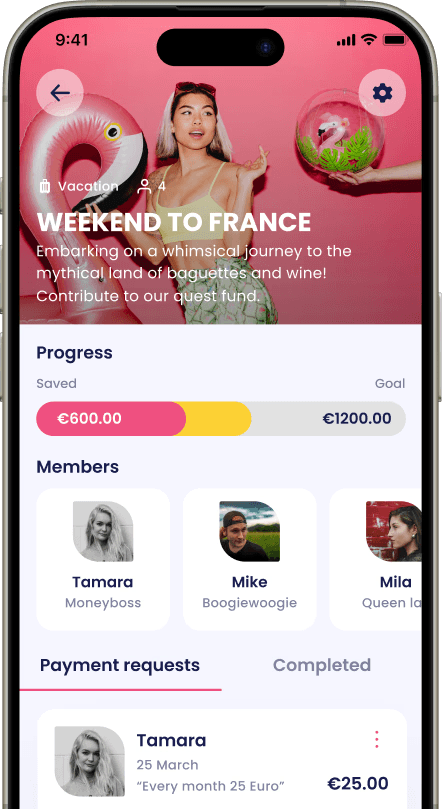
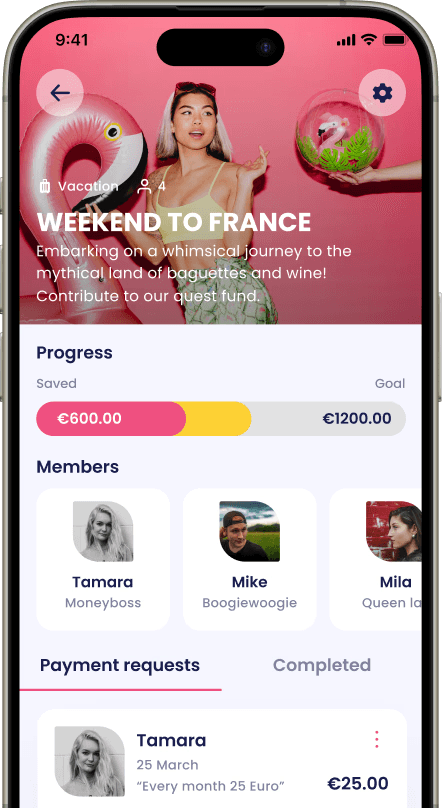
For decades, traditional gift collections—whether for farewells, birthdays, or weddings—have been a staple of group gifting, as they were years ago. Years ago, these collections were more effective because social expectations favored collective gestures and simpler, more uniform gifts. Everyone chips in, pools money, and buys a single item or a generic gift. While this approach was once considered efficient and thoughtful, the point of traditional gift collections was to express appreciation and foster connection, but with changing values, that point has shifted toward more meaningful and personalized gestures. Younger generations like Millennials and Gen Z expect personalized interactions and products tailored to their interests, further challenging the relevance of traditional methods.
Introduction to the Cultural Shift
The cultural shift in gift giving has led to a reevaluation of the tradition, with many opting for more meaningful and less materialistic approaches to giving gifts, especially as December approaches and these changes become most apparent.
The idea of gift baskets and Christmas presents has evolved over the years, with a focus on monetary value and credit card bills taking a toll on the festive season.
The younger generation is driving this change, seeking alternative ways to receive gifts and express joy during the holidays.
Social media has played a significant role in shaping gift giving traditions, with many parents and families feeling pressured to buy more gifts and create a perfect moment. It often promotes consumerist ideals and the need for expensive gifts, further influencing expectations. Stores ramp up their marketing and decorations in December to attract shoppers, amplifying the commercial aspect of the holiday season.
The concept of gifting has become fairly easy, but the emphasis on stuff and materialism has led to a sense of disconnection from the true meaning of gift giving.
So, folks, as we navigate these changes together, it's clear that the holiday season brings both challenges and opportunities to redefine what gift giving truly means during the holidays.
The Evolution of Gift Giving on Christmas Eve
Christmas eve has traditionally been a time for giving gifts, with prince albert popularizing the christmas tree and shaping modern gift giving traditions.
Over the years, gift giving has become a significant part of Christmas, with many families spending a substantial amount of dollars on presents. The average spent on Christmas is close to $1000 per person, with a large portion spent on toys for kids, highlighting the financial burden associated with the tradition.
The tradition of giving gifts on christmas eve has been passed down through generations, with grandparents and parents continuing to give gifts to their children and loved ones. Mothers and sisters often play a key role in maintaining or changing family gift-giving customs, ensuring traditions are kept alive or adapted. The excitement of a child or kids on Christmas Eve has always been a highlight, though their experiences have changed as the focus has shifted from simple joys to an abundance of toys and material gifts.
However, the focus on monetary value and the pressure to buy presents has led to a sense of stress and debt, making it essential to reevaluate the tradition. When we were young, the meaning of gift giving was different and centered more on simple joys and togetherness rather than expensive presents.
The story of gift giving on christmas eve is one of love and generosity, but it has become distorted by the emphasis on materialism and consumerism.
The Problem with Materialism and Buying Crap
The problem with traditional gift collections is that they often result in buying crap that people don’t need or want, leading to waste and clutter. On social media, gift hauls and unboxing videos stand as symbols of consumerism, reinforcing the idea that more is better.
The emphasis on materialism and monetary value has led to a sense of disconnection from the true meaning of gift giving, which is to express love and appreciation. The element of surprise is often lost in traditional gift collections, making the experience less meaningful. While thoughtful surprises can bring genuine joy and strengthen relationships, receiving unwanted items can lead to disappointment and highlight the emptiness of over-gifting.
Many people spend a significant amount of money on gifts, only to have them end up in landfills or storage units, which is not only wasteful but also harmful to the environment. Growing awareness of environmental issues leads consumers to seek sustainable and ethically sourced products, which traditional collections often fail to provide.
The idea of buying presents has become a significant part of the festive season, but it has also led to a sense of stress and debt, making it essential to find alternative approaches to gift giving. In response, some families gave or gifted experiences or acts of kindness instead of physical presents, focusing on meaningful connections rather than material goods.
The concept of gift giving has become distorted by the emphasis on materialism, leading to a sense of emptiness and disconnection from the true meaning of the tradition.
Alternative Approaches to Gift Baskets
Alternative approaches to gift baskets include experiences, such as tickets to an event or weekend getaways, which create lasting memories and don’t contribute to clutter.
Giving gifts that are meaningful and personalized, such as a birthday card or a photo album, can be a more thoughtful and expressive way to show love and appreciation. There are many alternative gift ideas that go beyond material possessions, such as offering your time, planning a shared activity, or supporting a cause.
Some people choose to donate to a school or gift a house as a meaningful gesture, reflecting generosity and a lasting impact on loved ones or the community.
The idea of giving gifts that are fairly easy to make or find, such as food or wine, can be a more relaxed and wonderful approach to gift giving.
Experiences, such as cooking classes, wine tastings, or even a simple walk together, can be a more engaging and interactive way to give gifts, creating a sense of joy and connection.
Many consumers prefer sustainable gifting options, often favoring experiences with friends or eco-friendly products to reduce environmental impact. The concept of gift giving can be reimagined to focus on experiences and connections, rather than material possessions, leading to a more meaningful and fulfilling tradition.
Embracing a New Era of Mindful Gift Giving Over the Past Few Years
Embracing a new era of mindful gift giving requires a shift in values, from focusing on materialism and monetary value to emphasizing experiences, connections, and meaningful relationships.
The idea of giving gifts can be reimagined to focus on the joy and love of the moment, rather than the price tag or the stuff.
Over the past few years, many people have started to opt for more mindful and intentional approaches to gift giving, such as giving experiences or making homemade gifts.
Gift giving is often a love language that expresses care and affection, making it a powerful way to strengthen relationships.
The tradition of giving gifts can be transformed to focus on the true meaning of the holiday season, which is to express love, gratitude, and appreciation for the people and relationships in our lives.
Rethinking Gift Giving Habits
As the festive season approaches each year, many families find themselves caught in the whirlwind of gift giving—juggling wish lists, store sales, and the ever-present pressure to buy presents that will impress. While the tradition of giving gifts is deeply woven into our lives, it’s worth pausing to consider how our habits have evolved, and whether they truly serve the joy and connection we hope to create.
The reality is, the monetary value attached to Christmas presents and birthday gifts, particularly for children, has soared in recent years. It’s not uncommon for a person to spend close to $1,000 on Christmas alone, with credit card bills piling up and lingering well into the new year. This cycle of spending can lead to debt and stress, overshadowing the joy that giving gifts is meant to bring. For many, the pressure to keep up with expectations—whether set by family, friends, or even social media—can turn a wonderful tradition into a source of anxiety.
Yet, a cultural shift is underway. The younger generation, in particular, is rethinking what it means to give and receive gifts. Instead of focusing on the monetary value or the sheer number of presents under the tree, parents and more people are interested in experiences that create lasting memories. In fact, recent surveys show that millennials and Gen Z are more likely to spend money on travel, events, or shared moments than on physical stuff. This shift reflects a growing desire to prioritize relationships and meaningful connections over accumulating more things.
Rethinking gift giving habits doesn’t mean abandoning tradition altogether. Instead, it’s about finding a balance—choosing gifts that reflect the interests and needs of the recipient, rather than defaulting to generic or expensive items. A thoughtful birthday card, a homemade treat, or a gift basket filled with a person’s favorite foods can carry far more value than something picked up last-minute at the store. These gestures show that you’ve considered the person’s life and interests, making the act of giving more personal and heartfelt.
It’s also important to remember that giving gifts is as much about the giver as the recipient. The act of giving can bring a sense of joy and fulfillment, strengthening relationships and creating moments of connection. However, it’s easy to fall into the trap of buying crap—items that end up forgotten in a closet or tossed out after a few weeks. By focusing on quality over quantity, and meaning over price, we can avoid unnecessary spending and reduce the environmental impact of our traditions.
In the last few years, many families have started new traditions that move away from material gifts, focusing instead on experiences that the kids will cherish . Whether it’s planning a family outing, volunteering together, or simply spending time with loved ones, these experiences often become the most cherished memories. Not only do they help save money and reduce debt, but they also foster a sense of togetherness that no store-bought present can match.
Ultimately, rethinking gift giving habits is about creating a tradition that brings joy, not stress. By being mindful of our spending, considering the true value of our gifts, and embracing new ways to celebrate, we can ensure that giving gifts remains a source of happiness and connection for years to come. As we continue to navigate the changing landscape of gift giving, let’s focus on what truly matters: the love, gratitude, and relationships that make every moment special.
Final Thoughts
Traditional gift collections served their purpose in a different world, but times have changed. People now prioritize personalization, inclusivity, and experiences over convenience. The shift reflects deeper cultural values: connection, thoughtfulness, and emotional resonance.
If you want your gifts to truly matter, whether from a brother or sister it’s time to rethink old practices. Focus on what the recipient values, involve participants creatively, and embrace modern tools to make group gifting meaningful again.
FAQs
1. Why are traditional gift collections becoming less popular?
They often result in generic, impersonal gifts, create budget-related tension, and don’t reflect modern values like personalization and meaningful experiences.
2. What are some modern alternatives to traditional gift collections?
Consider group experiences, digital gifts, personalized keepsakes, charitable donations in the recipient’s name, or curated online wish lists that allow participants to contribute flexibly.
3. How can we handle differing budgets in group gifts today?
Instead of pooling money for one gift, allow participants to contribute according to their comfort level—through money, effort, or creative additions—so everyone feels included.
4. Can traditional gift collections still work in some situations?
Yes, in small, close-knit groups where everyone agrees on the gift and contribution, they can still be practical. However, adding personalization or experiential elements usually makes them more meaningful.
5. How can we make group gifts more meaningful in the digital age?
Leverage technology: create shared online wish lists, organize virtual experiences, compile video messages, or use group gifting platforms to include remote participants while maintaining personal touches.

Social Accountability and Saving: The Missing Link to Financial Freedom
Ondersteuning voor verschillende inhoudstypes zoals artikelen, blogs, video's en meer. Rijke tekstverwerker met opmaakopties voor verbeterde.
17 november, 2025

Group Saving Apps Compared: What's Easiest, Safest, and Most Transparent?
Ondersteuning voor verschillende inhoudstypes zoals artikelen, blogs, video's en meer. Rijke tekstverwerker met opmaakopties voor verbeterde.
17 november, 2025

Group Money Platforms Compared: What’s Safe, Regulated, and Fair?
Ondersteuning voor verschillende inhoudstypes zoals artikelen, blogs, video's en meer. Rijke tekstverwerker met opmaakopties voor verbeterde.
17 november, 2025
