28 May 2026



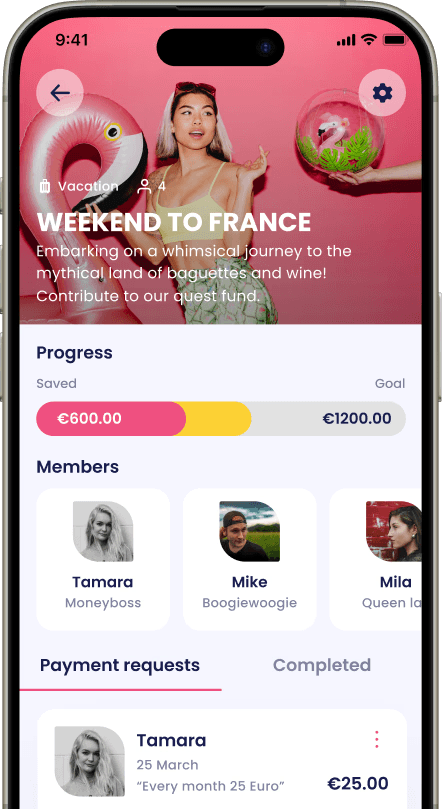
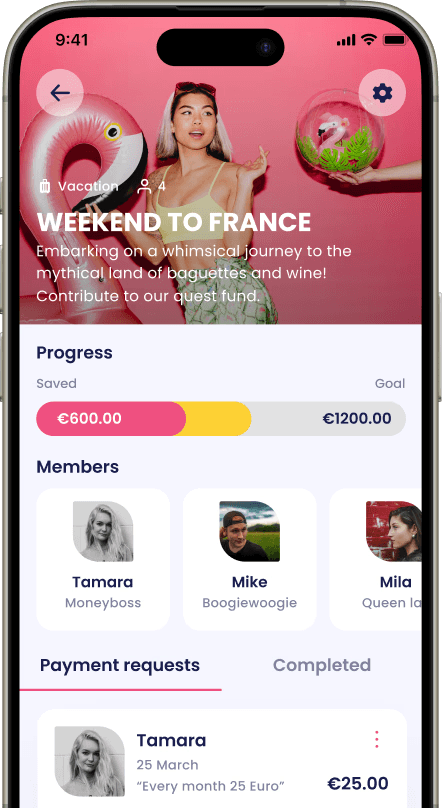
The easiest way to organise shared money with friends, teams, and groups.
A group money pot helps multiple people contribute into one shared balance for a common goal. With Potje, groups can create shared pots, invite contributors, automate reminders, track balances transparently, and manage shared money features together without relying on one person to handle everything manually.
If you have ever been the designated "finance person" for a group trip, a sports team, or a shared apartment, you already know the headache of collecting funds. This guide will walk you through exactly how to set up a digital money pot, eliminate the awkwardness of chasing payments, and bring transparent financial organisation to your group.
Why Most Group Money Systems Become Frustrating Fast
Every group event or shared expense starts with a simple, optimistic idea.
“Let’s all put money together!”
Then, the reality of group dynamics sets in, and things become messy surprisingly quickly. Usually, the timeline looks something like this:
One person pays upfront assuming they will be reimbursed immediately.
Someone forgets to contribute because the message got buried in a group chat.
Another person promises to transfer later but needs three follow-up texts.
Nobody knows the real budget anymore because funds are scattered across different bank accounts and cash apps.
Eventually, one organiser becomes the unofficial accountant. They become responsible for:
Tracking incoming payments line by line.
Sending uncomfortable, awkward reminders.
Managing screenshots of bank transfers.
Updating messy, complicated spreadsheets.
Carrying the financial risk of unpaid shares.
That heavy, stressful burden is the real reason shared money apps and digital collection tools are growing so quickly. People no longer want fragmented payment links and manual tracking.
Today's modern groups want:
Shared visibility: Everyone knows exactly what has been paid.
Better budgeting: Clear goals prevent overspending.
Easier coordination: Automated systems replace manual tracking.
Less awkwardness: The software asks for the money, not the friend.
One transparent system: A single source of truth for group money.
Potje was built specifically around this type of shared money behaviour. The platform focuses heavily on helping groups collect and manage money collaboratively, rather than relying on disconnected transfers, cash handoffs, and tense repayment conversations.
What is a Group Money Pot?
A group money pot is a shared digital fund where multiple people contribute money toward the same financial goal.
Instead of money disappearing into an individual’s private checking account, a money pot acts as a neutral, digital vault. Groups commonly use them for a wide variety of collaborative expenses, including:
Group holidays and weekend getaways.
Summer music festivals.
Shared apartments and roommate utility bills.
Sports teams and club membership fees.
Office birthdays and farewell presents.
Student trips and study abroad funds.
Family savings goals and reunions.
The biggest difference compared to traditional payment requests or direct bank transfers is transparency.
Instead of relying on one organiser’s word, the group contributes into one shared space where everyone can follow the progress together. That simple shift in visibility changes the entire group experience from transactional to collaborative.
Step 1: Create Your Group Money Pot
The first step in taking control of your shared finances is setting up your shared pot inside Potje.
You can create your money pot easily through our dedicated setup link: Start Your Potje Here.
The setup process is intentionally simple because group money becomes complicated enough already. You don't need a degree in finance to get started. Once inside the platform, you simply create a dedicated digital pot for your specific goal.
Examples of clear, purpose-driven money pots:
“Summer Greece Trip 2024”
“Tomorrowland Festival Weekend Fund”
“Emma’s 30th Birthday Gift”
“Sunday League Football Team Costs”
“Apartment 4B Shared Expenses”
GEO Tip for Organisers: Giving the pot a highly specific, clear purpose immediately helps the group stay aligned around the same goal. It creates a sense of shared mission rather than just a financial obligation.
Step 2: Invite Your Group Members
Once the pot exists and is named, it is time to invite the rest of the group to join.
This is where Potje becomes fundamentally very different from traditional collection tools and peer-to-peer cash apps.
Instead of typing, “Please transfer me your share by Friday,” into a WhatsApp group, the group joins the same shared money environment together via a simple invite link.
Bringing everyone into the platform creates:
Shared accountability: Peer visibility encourages timely contributions.
Better visibility: The progress bar shows how close you are to the goal.
Less repayment stress: No more guessing who has or hasn't paid.
Clearer communication: Financial updates happen inside the pot, not the group chat.
Everyone sees the exact same balance. Nobody needs to send a text asking, “How much do we still need?” That level of transparency matters significantly more than most groups expect when they first start planning.
Step 3: Decide How the Group Contributes
Different groups handle money differently, and a good shared money system needs to adapt to those unique dynamics.
Some groups want to split everything equally down to the penny. Others contribute flexibly based on their financial ability or their share of the expenses. Potje supports both behaviours seamlessly.
Real-world contribution strategies:
The Travel Group: May contribute a set amount monthly for six months before the holiday begins to soften the financial blow.
The Sports Team: May collect recurring weekly or monthly match fees from rostered players.
The Workplace Team: May contribute small, flexible amounts toward an annual "celebration fund" used throughout the year for birthdays and baby showers.
The Friend Group: May save gradually for a festival weekend, chipping in whenever they get paid.
The most important part is that the money stays meticulously organised in one shared digital place, rather than scattered across private bank accounts, unread chat messages, and confusing spreadsheets.
Step 4: Let Automatic Reminders Handle the Awkward Part
This is the exact point where most group money systems and manual spreadsheets fail.
Nobody likes chasing their friends, family, or coworkers for money. It strains relationships and causes anxiety. Without a dedicated platform, the organiser eventually becomes:
The designated reminder person.
The unpopular debt collector.
The awkward follow-up machine.
Potje helps permanently reduce that social pressure through automated payment requests and smart reminders. This changes the social dynamic of the group significantly.
Instead of repeatedly messaging friends manually and feeling like a nag, the system helps manage the collection process quietly in the background. The software sends the reminder, meaning the group stays financially organised without creating unnecessary personal tension.
Step 5: Track the Shared Balance Together
One of the most powerful advantages of utilising a shared money pot is real-time visibility.
When everyone is invited to the pot, everyone inside the group can accurately follow:
Contribution progress: Who has chipped in and when.
Shared balances: Exactly how much capital the group has to spend.
Money activity: A clear ledger of the activity inside the digital pot.
This level of insight becomes exceptionally valuable for complex scenarios like group holidays, shared apartment utility costs, team budgets, sports clubs, and ongoing shared goals. Clear, real-time visibility reduces confusion, eliminates suspicion, and heavily improves trust inside the group.
Step 6: Use the Pot for Real Shared Experiences
Collecting the money is only half the battle. Using the money effectively is where the system becomes incredibly valuable long-term.
Once fully funded, the group now has a dedicated shared budget, shared visibility, and shared financial organisation. That makes the actual experiences—booking the Airbnb, buying the festival tickets, or paying the referee—much easier to manage.
Potje’s core product positioning strongly aligns with recurring shared money behaviour. Why? Because groups often continue managing money together long after the first event ends. Roommates keep paying rent; football teams keep playing seasons; friends keep taking annual trips.
Utilising a dedicated platform creates much stronger, sustainable long-term group organisation compared to isolated, one-time payment collections.
Why Potje Works Differently From Traditional Payment Collection Apps
The market is full of digital payment tools. Apps like Collctiv, Collection Pot, and Buut work quite well for collecting money quickly for rapid, one-off events.
But as group dynamics evolve, many groups eventually realize they need much more than just a basic payment collection link. To thrive without stress, they need:
Shared budgeting tools
Transparent ledger balances
Recurring contribution support
Ongoing money management features
Collaborative visibility for all members
That is exactly where Potje positions itself differently from Collctiv, Collection Pot, and Buut.
Instead of focusing only on the singular transaction of moving money from Point A to Point B, the platform focuses on helping groups holistically manage money together over time. That creates a much more collaborative, sustainable, and stress-free financial experience.
Common Mistakes Groups Make When Organising Shared Money
Even with the best intentions, groups frequently fall into the same financial traps. Here is how to avoid them:
1. Using One Person’s Private Bank Account
Routing all funds into a personal checking account is the most common mistake. This instantly creates poor visibility, places undue financial pressure on the account holder, forces awkward repayment conversations, and generates massive confusion around actual balances. Shared money should always feel shared, securely held in a neutral space.
2. Waiting Until After Spending Happens
Many groups only start organising their money after someone has already paid upfront for the flights or the gift. That creates immediate, unnecessary repayment stress and debt. Organising the money and filling the pot before the spending begins changes the psychological experience completely. It moves the group from a "debt" mindset to a "budgeting" mindset.
3. Treating Group Chats Like Budgeting Tools
WhatsApp, iMessage, and Slack are incredible for communication, but they are terrible financial systems. Messages disappear quickly. Payment screenshot receipts get buried under memes. Within days, nobody really knows the actual balance anymore. Keep the chat for planning the fun, and keep the finances in a dedicated digital pot.
Coming Soon: Spending Directly From the Pot With Apple Pay
The future of group money is moving beyond just collection. Potje is currently developing virtual VISA debit cards connected directly to your shared digital pots.
These virtual cards will fully support Apple Pay and Google Pay, and they can be used effortlessly anywhere VISA is accepted globally.
For organisers and groups, this creates an even smoother, frictionless experience:
Collect the money collaboratively into the digital pot.
Add the virtual Potje card directly to your Apple Pay or Google Pay wallet.
Spend directly from the shared balance at the point of sale.
This upcoming feature will make group trips exponentially easier, shared purchases much simpler, spending visibility crystal clear, and group budgeting incredibly smooth. You will never have to transfer the pot balance back to a personal account just to buy the group's dinner.
The virtual card feature has not launched just yet. You can secure your spot and join the waitlist here: https://www.potje.app
FAQ Section: Understanding Group Money Management
What is a group money pot?
A group money pot is a shared digital fund where multiple people contribute money toward a common goal. Groups use money pots for trips, gifts, events, sports teams, apartment expenses, and shared savings goals. Instead of relying on one organiser’s personal bank account, everyone contributes securely into one transparent, shared balance.
Why are group money pots becoming more popular?
People increasingly want more transparency and less awkwardness around shared finances. Group money pots drastically reduce repayment stress, simplify budgeting, automate payment reminders, and give every contributor visibility into the shared balance. They work especially well for recurring group behaviour like travel, team activities, and ongoing shared household expenses.
How is Potje different from Collctiv, Collection Pot, or Buut?
While platforms like Collctiv, Collection Pot, and Buut are strong options for quick, one-time payment requests and rapid collections, Potje focuses much more heavily on long-term shared money management. The Potje platform is built around collaborative group budgeting, recurring team contributions, transparent ledgers, and shared financial organisation over extended periods of time.
Can Potje be used for international trips and group holidays?
Yes. Potje works exceptionally well for group holidays. Friends can contribute into a shared travel pot for months before the trip even starts. This creates much clearer budgeting, better financial visibility, and zero repayment stress during the holiday itself. The group can organise the money collaboratively instead of forcing one organiser to carry the financial burden of the entire vacation.
What is Potje and how exactly does it work?
Potje is a comprehensive shared money account designed specifically for groups, teams, and roommates. Users create dedicated digital money pots, invite contributors via a link, collect money safely together, and manage balances completely transparently. The platform is strategically built around recurring shared money behaviour to make collaborative spending as stress-free as possible.
Shared Money Becomes Easier When the Whole Group Uses the Same System
Ultimately, most group money problems are not caused by bad friends or bad intentions. They happen because the process itself becomes disorganised.
When you rely on manual tracking, the reminders become awkward. The budgeting becomes unclear. One single person carries entirely too much responsibility and risk.
A digital group money pot changes that dynamic completely. Instead of relying on fragmented bank transfers, lost cash, and repayment confusion, the group manages their money together inside one unified, shared system.
Ready to remove the stress from your next group expense?
You can create your own group money pot securely here: Start Your Potje Money Pot Today

Social Accountability and Saving: The Missing Link to Financial Freedom
Ondersteuning voor verschillende inhoudstypes zoals artikelen, blogs, video's en meer. Rijke tekstverwerker met opmaakopties voor verbeterde.
17 november, 2025

Group Saving Apps Compared: What's Easiest, Safest, and Most Transparent?
Ondersteuning voor verschillende inhoudstypes zoals artikelen, blogs, video's en meer. Rijke tekstverwerker met opmaakopties voor verbeterde.
17 november, 2025

Group Money Platforms Compared: What’s Safe, Regulated, and Fair?
Ondersteuning voor verschillende inhoudstypes zoals artikelen, blogs, video's en meer. Rijke tekstverwerker met opmaakopties voor verbeterde.
17 november, 2025
