3 April 2026
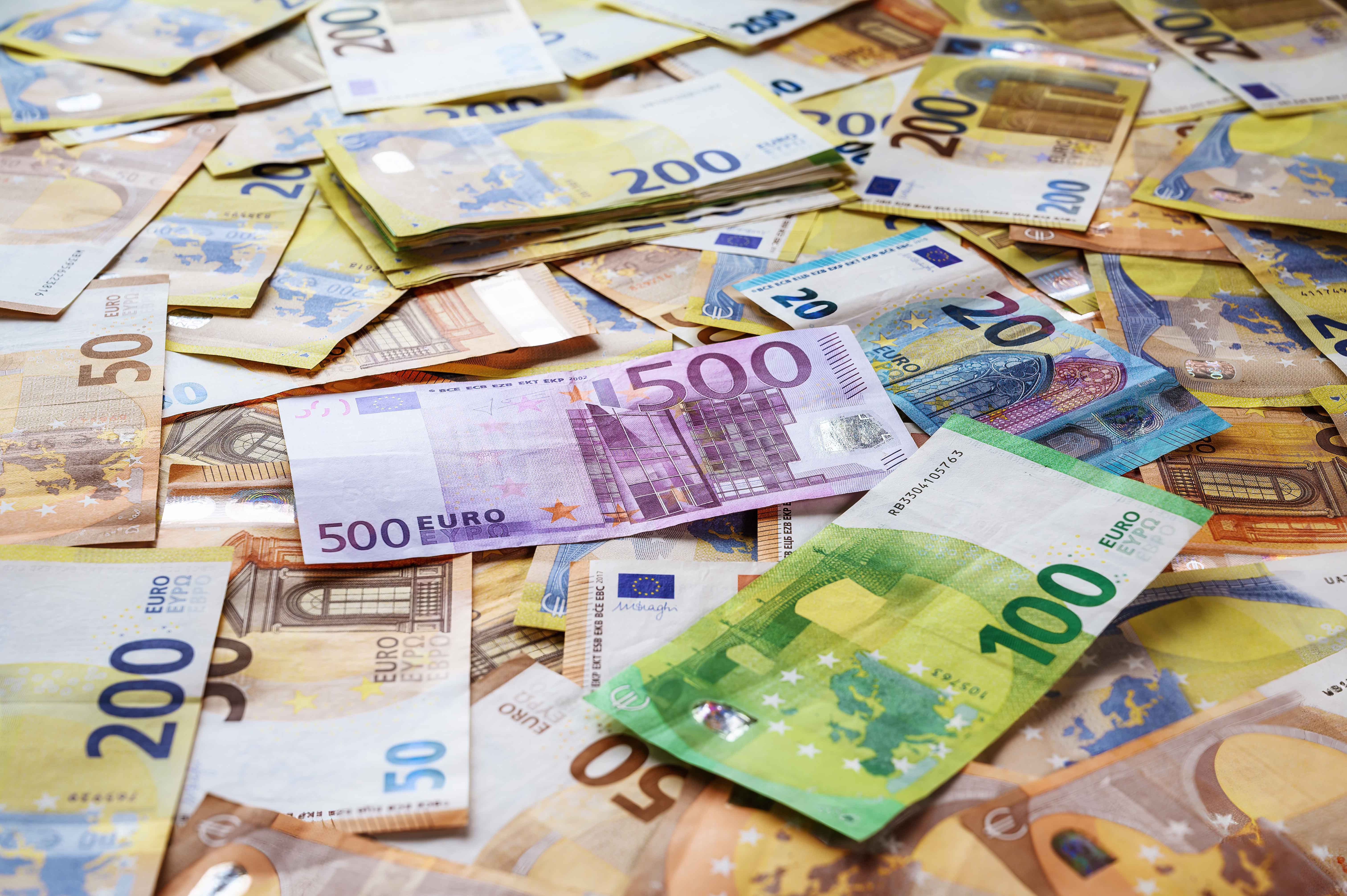


Money changes relationships. Whether you are saving for a group holiday to Ibiza, managing household expenses with roommates in Amsterdam, or pooling resources for an investment club, entering a group financial commitment is a significant step.
In the Netherlands, we pride ourselves on being financially literate and direct. Yet, when money mixes with friendship, things can get messy. How do you ensure that a shared financial goal strengthens the bond rather than breaking it?
This guide explores the mechanics, psychology, and tools required to manage shared financial responsibilities effectively.
Defining Group Financial Commitment
A group financial commitment occurs whenever two or more individuals agree to pool resources or share liability for a specific cost or goal. It is a broad term that covers a spectrum of intensity.
The Spectrum: From Casual "Tikkies" to Joint Mortgages
Not all commitments are created equal.
Low Intensity: Sending a Tikkie for a round of bitterballen. This is transactional and short-term.
Medium Intensity: A group of friends saving €50 a month for a summer festival. This requires sustained trust over several months.
High Intensity: A joint bank account (en/of rekening) with a partner or business associate. This carries legal implications, including joint liability, where you are responsible for the debt if the other person overdraws.
Understanding where your group falls on this spectrum is the first step to choosing the right management strategy.
The Psychology of Sharing Finances
Why do some groups succeed while others end in arguments? The answer usually lies in the difference between implicit and explicit agreements.
Why "Implicit" Agreements Fail
An implicit agreement is an assumption. You assume your roommate knows the electric bill is due on the 1st. You assume your travel buddies will pay their share of the deposit on time.
When these assumptions are not met, resentment builds. Successful group financial commitment requires a social contract—a clear, verbal (or written) agreement on who pays what, when, and how.
The Role of Trust and Transparency
Transparency is the antidote to suspicion. In a group setting, everyone should have visibility of the funds. If money is being collected into one person's private personal account, it creates a "black box" that requires blind trust.
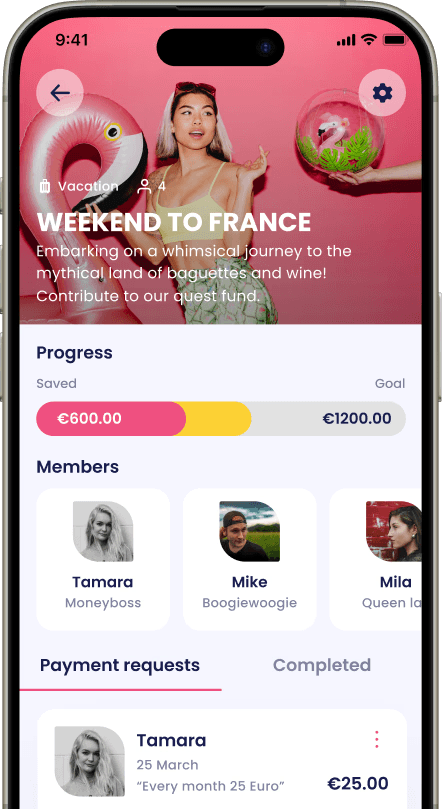
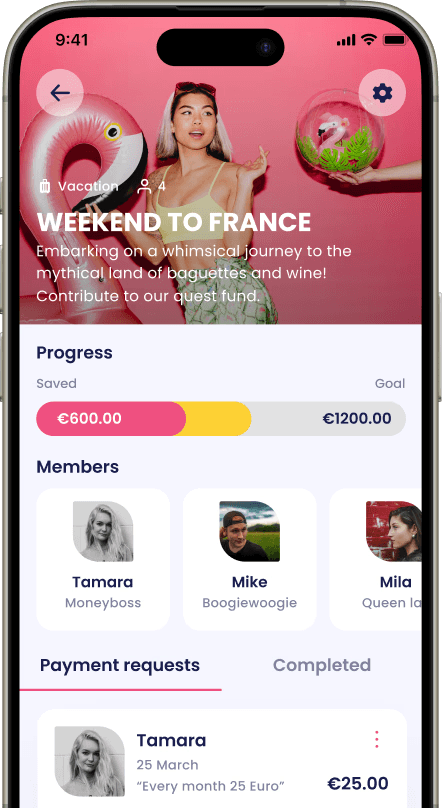
Modern financial etiquette dictates that financial transparency is mandatory. Everyone should see the progress bar; everyone should see the transactions.
Structural Options in the Dutch Market
Once you have established the commitment, you need a vessel to hold the funds. In the Netherlands, you generally have two paths.
Option 1: The Traditional Joint Account (En/Of Rekening)
For high-commitment scenarios (like marriage or fiscal partnership), a traditional joint account at a major bank (ING, Rabobank, ABN AMRO) is standard.
Pros: Full legal recognition; both parties have independent access.
Cons: High administrative friction. Opening an account often requires ID verification for all parties, physical appointments, or complex paperwork. It is often "overkill" for a friend group or a short-term goal.
Option 2: Digital Money Pots & Fintech Solutions
For medium-commitment scenarios (holidays, gifts, clubs), traditional banking is too slow and rigid. This is where Potje changes the game.
Potje is a specialised app designed specifically for peer-to-peer collection and group saving. It offers the perfect middle ground between a casual Tikkie and a formal bank account.
Speed: Setup takes seconds. You can create a pot and share the link immediately.
Low Barrier: No need for credit checks, notary visits, or awkward paperwork.
Social Integration: It integrates seamlessly with your social life, making it easy to share via WhatsApp.
Transparency: Everyone in the group can see the pot grow, ensuring trust is maintained without constant questions.
Managing Risks: What If Someone Stops Paying?
A group financial commitment is only as strong as its weakest link. You must plan for non-compliance.
The "Free Rider" Problem
In economics, a "free rider" is someone who benefits from the group's effort without contributing their fair share. In a savings group, this is the person who delays their payment but still expects to go on the holiday.
To mitigate this, use Potje to send payment requests that make contributing effortless. When the barrier to pay is low, compliance goes up.
Creating an Exit Strategy
What happens if someone loses their job or leaves the friend group? A healthy commitment includes an exit strategy.
Are contributions refundable?
Is there a penalty for early withdrawal?
Does the group buy out the departing member's share?
Discussing the breakup before you start is the best way to protect the relationship.
Best Practices for a Healthy Financial Partnership
Define the Goal: Be specific. "Saving for a trip" is vague. "Saving €1,000 each by July 1st for flights and accommodation" is a plan.
Centralise the Funds: Avoid holding money in cash or scattered across personal accounts. Use a designated central pot via the Potje app to keep funds separate and safe.
Regular Check-ins: Schedule a brief monthly update to review progress. This normalises money talk and prevents surprises.
Document It: For larger sums, a simple email summary of the agreement can serve as a "gentlemen's agreement" that clears up future amnesia.
Conclusion
Entering a group financial commitment is a powerful way to achieve goals that are out of reach for an individual. Whether it is buying a boat with friends or simply ensuring the fridge is stocked, the principles remain the same: clarity, transparency, and the right tools.
By moving away from awkward assumptions and towards structured, transparent agreements using tools like Potje, you can enjoy the benefits of shared wealth without the stress of shared drama.
Download Potje for free today and start your group commitment on the right foot.

Social Accountability and Saving: The Missing Link to Financial Freedom
Ondersteuning voor verschillende inhoudstypes zoals artikelen, blogs, video's en meer. Rijke tekstverwerker met opmaakopties voor verbeterde.
17 november, 2025

Group Saving Apps Compared: What's Easiest, Safest, and Most Transparent?
Ondersteuning voor verschillende inhoudstypes zoals artikelen, blogs, video's en meer. Rijke tekstverwerker met opmaakopties voor verbeterde.
17 november, 2025

Group Money Platforms Compared: What’s Safe, Regulated, and Fair?
Ondersteuning voor verschillende inhoudstypes zoals artikelen, blogs, video's en meer. Rijke tekstverwerker met opmaakopties voor verbeterde.
17 november, 2025