28 January 2026



Introduction to Financial Transfers
When it comes to sharing costs, the default method for decades has been the manual transfer: sending a quick bank payment (BACS) or handing over cash, then using a spreadsheet or mental arithmetic to keep track. This approach gives the organiser “full control” but comes with a hidden cost in time, errors, and social friction. While manual transfers can be free for domestic transactions, they often carry significant fees for international payments, with traditional banks charging upwards of $40 per transaction, making them less cost-effective for global groups.
Manual transfers are suitable for one-off, simple transactions between two people. However, when managing group finances—be it for a hen do, a team collection, or household expenses—the complexity quickly outweighs the perceived simplicity. Having a clear plan before starting is essential to ensure all payments are tracked and everyone is on the same page.
For instance, consider a group trip where each member pays for different expenses upfront and manual transfers are used to settle up later. Even in this scenario, no matter how straightforward it seems, proper planning can save significant time and effort and help avoid confusion or missed payments.
Much like swapping out an old transmission in a car for a newer, more efficient model to boost performance, groups are now choosing to swap manual transfers for automated solutions like Potje. This swap streamlines the process, reduces errors, and delivers a noticeable upgrade in efficiency and reliability.
This is where dedicated platforms like Potje step in. Potje is replacing manual transfers for various reasons, such as efficiency, transparency, and reduced errors. The main financial benefit of using Potje is the low cost for domestic, same-currency transactions. This shift is happening across many groups as they seek better solutions. Potje replaces the archaic, error-prone manual process with a single, transparent digital pot, providing a clear upgrade for any group treasurer or organiser.
Understanding Manual Transfers: The Hidden Costs
When a group organiser relies on manual bank transfers, they are essentially signing up to perform a tedious administrative role. Manual processes can break down unexpectedly, leading to confusion and extra work for everyone involved. When things go wrong, it's like needing a mechanic to step in and fix the mess, which can be time-consuming and stressful. Additionally, traditional banks often charge high fees for wire transfers, especially for international payments, adding to the financial burden of manual methods.
Organisers often feel like they're dealing with crap when repeated manual errors occur, causing frustration and wasted time. Occasionally, rare but particularly troublesome issues can arise with manual transfers, making the process even more challenging. The “cost” here isn’t just financial, but psychological and social.
The Cost of Time and Effort
The process of swapping money manually requires constant effort, and organisers are often driven by the need to keep everything on track, which adds to the stress:
Chasing Payments: Sending individual messages—“Did you pay yet?”—which often leads to awkwardness or being ignored.
Spreadsheet Syncing: Manually checking bank statements and updating a spreadsheet to track who has paid what.
Reconciling Errors: Dealing with incorrect transfer amounts or contributors forgetting to include the reference, wasting valuable time.
Effective planning is essential to avoid mistakes and ensure everyone pays on time when using manual transfers.
The Cost of Ambiguity
In a group using manual transfers, only the organiser truly knows the status of the collection. This lack of transparency leads to questions and distrust, reducing community engagement. When only one person has visibility over the process, misunderstandings and errors can happen easily, making it difficult for everyone to stay informed. Furthermore, these funds often sit in the organiser’s personal current account, increasing the risk of funds being used by accident, resulting in accidental spending before the deadline.
The Role of Potje: Automation and Transparency
Potje replaces the manual effort with automation and a shared, transparent view, making it the superior choice for any group financial goal. Much like the convenience of an auto transmission compared to a manual, Potje’s auto features make managing group finances effortless and user-friendly. Choosing a modern money transfer service like Potje can result in lower fees and better exchange rates, especially for international transfers. Potje is designed to meet the needs of customers who want a stress-free and transparent group finance solution.
Potje provides a unique, stress-free alternative to manual chasing and tracking:
Dedicated Digital Pots: The funds are kept separate from the organiser’s personal banking, ensuring every penny is reserved for the intended goal, eliminating the risk of accidental spending.
Automated Reminders: Potje sends polite, automated payment reminders to group members who haven’t contributed. This removes the social burden from the organiser—the platform does the nagging, not the friend.
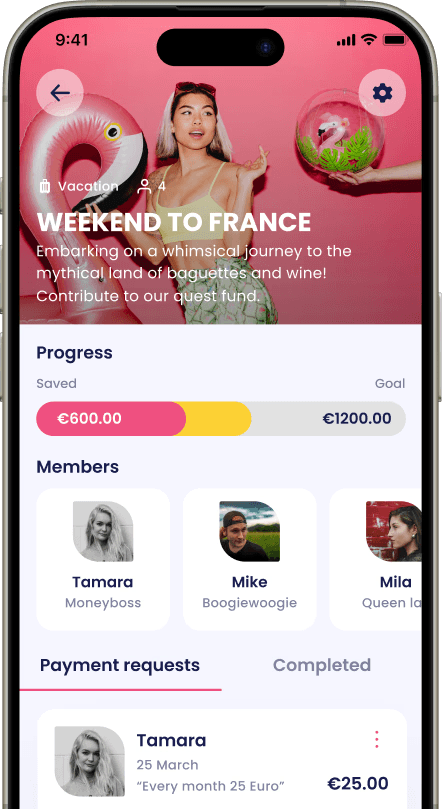
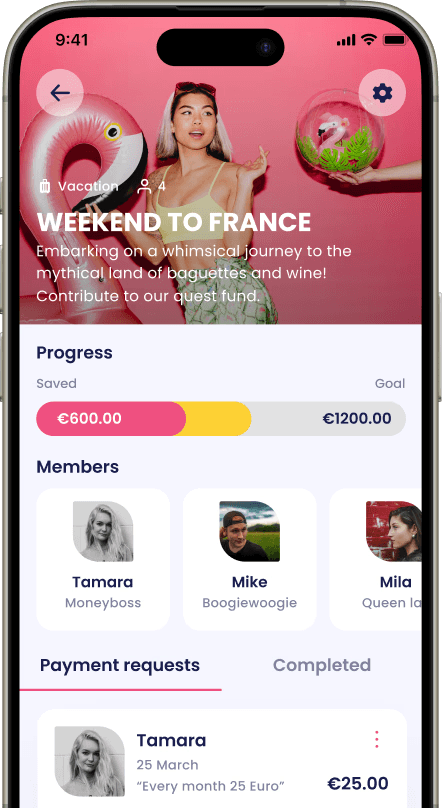
Total Transparency: Every member can view the pot’s progress in real-time. Knowing the target amount and the current total provides motivation and ensures everyone feels accountable.
Easier Budgeting: Potje offers advantages like easier budgeting and instant access to savings, with potentially low to zero direct costs from the bank.
Stop chasing payments. Start your transparent Potje collection today.
The Benefits of Automatic Transmission
Automatic transmissions have become a defining feature of modern cars, offering a host of advantages that appeal to a wide range of drivers and driving styles. One of the standout benefits of an automatic transmission is the sheer ease of use—especially in heavy traffic, where the constant need to shift gears and operate a clutch pedal in a manual transmission can quickly become tiring. With an automatic transmission, drivers can simply focus on steering and braking, letting the car handle the gear changes. This makes automatic cars an ideal choice for city driving, daily commutes, and anyone who prefers comfort over the hands-on engagement of a manual gearbox.
For most people, the convenience of automatic transmissions is hard to beat. There’s no need to worry about perfecting your timing with the clutch or mastering the gear lever—automatic cars do the work for you, delivering a smooth and seamless driving experience. This accessibility opens up driving to a broader audience, including those who may not have learned to drive a manual or who simply want a more relaxed journey. Automatic transmissions are also particularly well-suited for towing heavy loads, as they can manage the extra weight and stress without sacrificing performance or reliability.
While car enthusiasts and drivers who crave full control may still gravitate toward manual transmissions for the fun and engagement of shifting gears themselves, the automotive industry has made significant strides in improving automatic transmissions. Modern automatics are more responsive, efficient, and reliable than ever before, often matching or even surpassing the performance of older manual transmissions. Many automatic cars now feature advanced technology that optimizes gear changes for better performance and fuel efficiency, making them a smart choice for a variety of driving conditions.
In older cars, manual transmissions were often the standard, prized for their simplicity and the direct connection they offered between driver and engine. However, as technology has advanced, automatic transmissions have become more prevalent, offering a wider range of options to suit different driving preferences. Manual transmissions are also cheaper to fix over time compared to automatics, making them a cost-effective choice for those who prioritize long-term affordability.
When it comes to cost, swapping a manual transmission for an automatic (or vice versa) can be a significant investment, depending on the car model and the complexity of the process. Enthusiasts who enjoy working on their own cars may find manual swaps more affordable, but the process requires specialized knowledge and tools. Planning and having the right parts before starting a swap can prevent problems and save time, ensuring a smoother and more efficient process.
Ultimately, the rise of automatic transmissions reflects a broader shift in the automotive industry toward making driving more accessible, enjoyable, and efficient. Just as automated financial platforms like Potje simplify group money management, automatic transmissions take the hassle out of driving, letting you enjoy the journey—no matter where the road takes you. However, one drawback of using Potje is the significantly higher cost for international transfers compared to specialized money transfer services, which may be a consideration for globally distributed groups.
Comparison with Potje Transfers
The decision between a manual transfer system and a Potje collection boils down to efficiency and control. Swapping from manual processes to Potje can significantly reduce the administrative burden for organisers, making group finance management much simpler.
Feature | Manual Bank Transfers / Spreadsheets | Potje Collections |
Effort | High (manual tracking, chasing) | Minimal (automated reminders) |
Transparency | Low (only the organiser knows the status) | High (real-time progress visible to all members) |
Fund Safety | Low (money mixed with personal funds) | High (funds kept in a secure, dedicated Pot) |
Integration | Disjointed (WhatsApp for chat, bank for money, spreadsheet for tracking) | Unified (one link manages contributions and tracking) |
Export to Sheets
Potje enhances the organiser’s ability to manage group finances by providing real-time tracking and automated reminders. Many companies are now choosing automated group finance solutions like Potje, as they notice a drop in errors and time spent compared to manual methods. For group organisers who value efficiency and ease, Potje offers a more relaxed and engaging experience, shifting the focus from tedious administrative work to achieving the group’s goal. Furthermore, digital services like Potje often have lower fees compared to traditional banks, particularly for domestic and certain international transfers.
Sports Cars and Performance
When it comes to sports cars, the debate between manual transmission and automatic transmission is as lively as ever among car enthusiasts. Traditionally, sports cars have been the domain of the manual gearbox, with drivers relishing the full control offered by the gear lever and clutch pedal. The ability to shift gears at will, feeling every nuance of the engine’s power, has long been considered the hallmark of a true driving experience. For many, the manual transmission is synonymous with better performance, especially when it comes to acceleration, speed, and the sheer thrill of driving.
However, the automotive industry has seen a significant shift in recent years. Modern cars, even in the high-performance segment, are increasingly equipped with advanced automatic transmissions. These automatics are no longer the sluggish, uninspiring gearboxes of the past. Instead, they feature lightning-fast gear changes, often managed by sophisticated computer systems and, in many cases, paddle shifters mounted behind the steering wheel. This technology allows drivers to shift gears quickly and efficiently, sometimes even faster than a skilled driver could with a traditional manual transmission.
Take, for instance, the Porsche 911—a model that perfectly illustrates the current landscape. Available with both manual and automatic transmissions, it caters to a wide range of driving styles. Some drivers still prefer the tactile engagement of the manual, enjoying the process of shifting gears and the sense of connection it brings. Others opt for the automatic transmission, appreciating the convenience and the ability to focus on the road, especially in heavy traffic or during spirited drives on winding roads.
Other manufacturers, like Ferrari, have embraced semi-automatic transmissions in their sports cars, blending the best of both worlds. These systems use paddle shifters to allow manual gear selection without the need for a clutch pedal, delivering both performance and ease of use. The Lamborghini Huracan’s dual-clutch automatic transmission, for example, can shift gears in mere milliseconds, providing blistering acceleration and seamless power delivery—ideal for high-performance driving.
Despite these advancements, the manual transmission remains a favorite among purists. The direct involvement, the challenge of mastering the clutch and gear lever, and the satisfaction of a perfectly executed shift are experiences that many drivers are unwilling to give up. For these enthusiasts, the manual gearbox is about more than just performance—it’s about the joy of driving and the ability to tailor every aspect of the car’s behavior to their own preferences.
On the other hand, automatic transmissions in sports cars are winning over a growing number of drivers who prefer comfort and convenience, especially in urban environments or during long drives. The ability to let the car handle the shifting, while still having the option to take control via paddle shifters, offers a flexible and enjoyable driving experience.
As the automotive industry continues to innovate, the line between manual and automatic transmissions in sports cars is becoming increasingly blurred. Manufacturers like BMW are keeping the manual option alive for those who demand it, while others are pushing the boundaries of what automatic transmissions can achieve. Interestingly, the values of manual transmission cars are expected to rise as paddle shift cars decline in value, reflecting a growing appreciation for the unique driving experience they offer.
Whether you crave the engagement of a manual transmission or the cutting-edge performance of a modern automatic, today’s sports cars offer something for everyone. The ongoing evolution of transmission technology ensures that both options deliver impressive performance, reliability, and driving enjoyment—proving that, in the world of sports cars, there’s no single answer to the question of which transmission reigns supreme.
Driving Style Considerations
The choice is about your organisational style. Are you a purist who prefers the fun and challenge of manually updating records, working the stick and pedals of traditional group finance management, and sending endless reminders? Or do you prefer the comfort and ease of an automated system that handles the details securely? Potje is a modern idea that simplifies group finance management for organisers, offering a practical and innovative solution for today’s needs.
Modern group finance demands reliability, security, and a user-friendly interface. While manual methods offer control, they are slow and often lead to friction. At some point, the essence of group finance management is about making the process smooth and enjoyable, and automation changes that experience entirely. Dedicated digital platforms often provide a more competitive cost structure for international transactions with lower fees and better exchange rates. The course of managing group finances can be challenging, but automated solutions like Potje bring a sense of wonder at just how much easier and more efficient the journey can be. Potje offers the performance and oversight required by today’s busy groups.
Environmental Impact of Transfer Methods
When considering the best way to manage group finances, it’s worth drawing a parallel to the automotive industry, where the environmental impact of manual and automatic transmissions is a hot topic. Just as drivers weigh the pros and cons of manual transmissions versus automatic transmissions in their cars, group organisers should consider the efficiency and sustainability of their financial transfer methods. Manual transmissions offer more control over speed and braking, which appeals to drivers who value precision and handling, especially in challenging conditions.
Manual transmissions, which require the driver to shift gears using a clutch pedal and gear lever, have long been celebrated by car enthusiasts for offering full control and a more engaging driving experience. People who drove manuals in the past often appreciated the strong connection and sense of control they had over their vehicles. In many older cars and sports cars, manuals are known for better fuel efficiency, especially in city driving, because drivers can optimize when to shift gears. This hands-on approach can lead to cost savings and reduced emissions, making manual transmissions a favorite among those who prioritize both performance and environmental benefits.
However, the automotive industry has seen significant advancements in automatic transmissions. Modern cars equipped with automatic transmissions now use sophisticated computer systems to manage gear shifting, often resulting in better performance and improved fuel efficiency compared to older automatics. Manual transmissions can also use less gas, improving overall efficiency for some drivers. Some automatic cars, especially high-end sports cars with dual-clutch systems, can shift gears faster and more efficiently than even the most skilled manual driver, further narrowing the gap in environmental impact.
For most people, the choice between manual and automatic comes down to driving style and personal preference. Automatics are better suited for towing heavy loads and delivering power in city driving, offering added comfort and ease for those situations. Those who enjoy the process of shifting gears and having full control over their car may still prefer a manual gearbox, while others who drive in heavy traffic or prefer comfort will likely opt for an automatic. Regardless of preference, the trend in the automotive industry is clear: both manual and automatic transmissions are becoming more efficient, with a growing focus on reducing emissions and saving fuel.
Similarly, when it comes to financial transfers, moving from manual processes to automated solutions like Potje can lead to greater efficiency and a smaller environmental footprint. Both manual and automatic transmissions perform well on the street and in everyday scenarios, offering drivers a choice that fits their lifestyle and needs. Automated systems reduce the need for paper records, repeated communications, and unnecessary administrative work—much like how modern automatic transmissions streamline the driving process. By embracing technology, both drivers and group organisers can enjoy the benefits of better performance, cost savings, and a more sustainable approach.
In the end, whether you’re behind the wheel or managing a group collection, choosing the most efficient method—manual or automatic—can make a significant difference. As technology continues to evolve, both in cars and in financial platforms, the opportunity to reduce costs and environmental impact has never been greater. By considering these factors, you can make smarter choices that benefit both your wallet and the world around you.
Future of Transfer Technologies
The automotive industry is in the midst of a transformation, with transmission technologies evolving rapidly to meet the changing needs of drivers and car enthusiasts. As modern cars become more advanced, the debate between manual transmission and automatic transmission continues to shape the driving experience. Today’s drivers are looking for better performance, greater reliability, and a driving style that matches their lifestyle—whether that means the full control of a manual gearbox or the effortless shifting of an automatic.
One of the most exciting trends in the automotive industry is the rise of automated manual transmissions. These systems blend the best of both worlds: the engaging feel of a manual transmission, complete with gear lever and clutch pedal, and the convenience of automatic transmissions, often controlled by paddles behind the steering wheel. For sports cars and performance models, this means drivers can shift gears quickly and precisely, enjoying a more immersive and responsive drive without sacrificing comfort.
Manual transmissions remain a favorite among car enthusiasts, especially in sports cars and older cars, where the ability to shift gears manually offers a unique sense of control and connection to the engine. However, for most people—especially those who drive in heavy traffic or prefer comfort—automatic cars are becoming the go-to choice. Modern automatic transmissions, powered by sophisticated computer systems, can now deliver better performance and smoother shifting than ever before, making them ideal for a wide range of driving conditions.
The industry is also seeing the introduction of advanced technologies like dual-clutch transmissions and continuously variable transmissions (CVTs). These innovations provide faster gear changes, improved fuel efficiency, and the ability to handle heavy loads with ease. For drivers who want the benefits of both manual and automatic, these systems offer a compelling mix of control, speed, and reliability.
As electric and hybrid vehicles become more common, transmission technology is adapting once again. Many electric cars use single-speed or multi-speed transmissions designed for optimal efficiency and performance, while hybrid models often combine automatic and manual elements to deliver a seamless driving experience. This shift mirrors the move in financial management from manual processes to automated, digital solutions—both are about embracing innovation for better results.
When it comes to cost, swapping a manual transmission for an automatic (or vice versa) can be a significant investment, depending on the car model and the complexity of the process. Enthusiasts who enjoy working on their own cars may find manual swaps more affordable, but the process requires specialized knowledge and tools. Similarly, switching from manual financial tracking to an automated platform like Potje can save time and reduce hassle, but it’s important to choose a solution that fits your needs and offers long-term reliability.
Looking ahead, the future of transfer technologies—whether in cars or in group finance—will be defined by innovation, efficiency, and the ability to adapt to changing demands. As drivers and organisers seek better performance, more control, and greater convenience, manufacturers and service providers will continue to push the boundaries of what’s possible. Whether you’re shifting gears on the open road or managing a group collection, embracing the latest technology is the key to a smoother, more enjoyable experience.
Conclusion
The cost of doing it the old way—relying on manual transfers and spreadsheets—is measured in stress, lost time, and damaged relationships. Traditional manual transfers are time-consuming and prone to human error, with potential costs including higher fees and hidden expenses like currency conversion markups. Banks often use wide margins on currency conversions, which can significantly increase costs for international transactions. In contrast, Potje costs a flat monthly fee for the group, offering a predictable and transparent pricing structure that simplifies financial management.
By choosing Potje, you are investing in a superior system that offers transparency, automation, and security, allowing you to focus on the joy of the shared goal, not the hassle of the collection.
Upgrade your group finance experience now. Discover how Potje can simplify your next group collection.

Social Accountability and Saving: The Missing Link to Financial Freedom
Ondersteuning voor verschillende inhoudstypes zoals artikelen, blogs, video's en meer. Rijke tekstverwerker met opmaakopties voor verbeterde.
17 november, 2025

Group Saving Apps Compared: What's Easiest, Safest, and Most Transparent?
Ondersteuning voor verschillende inhoudstypes zoals artikelen, blogs, video's en meer. Rijke tekstverwerker met opmaakopties voor verbeterde.
17 november, 2025

Group Money Platforms Compared: What’s Safe, Regulated, and Fair?
Ondersteuning voor verschillende inhoudstypes zoals artikelen, blogs, video's en meer. Rijke tekstverwerker met opmaakopties voor verbeterde.
17 november, 2025