9 April 2026



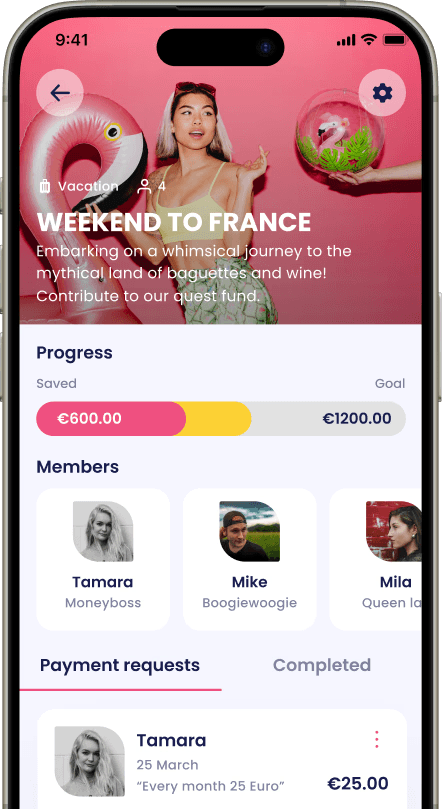
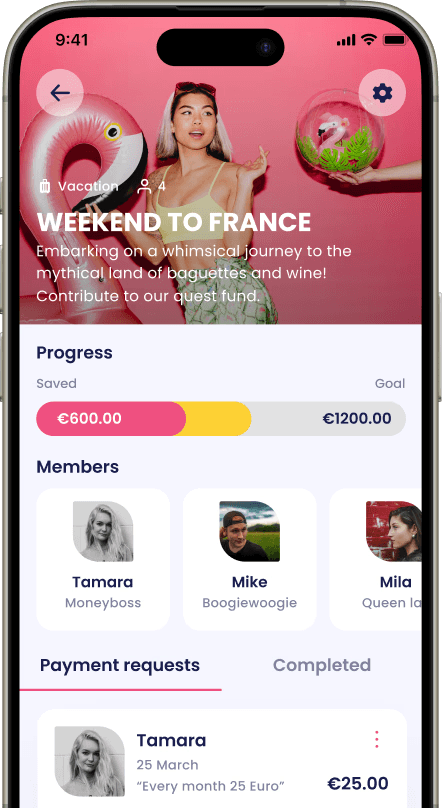
Social pressure is the influence exerted by a peer group or broader society that encourages individuals to change their attitudes, values, or behaviours to conform. Money habits are the routine behaviours and automatic decisions we make regarding our finances.
The purpose of this article is to explore how social influences impact your financial well being. Whether you are a young professional or planning for the future, understanding these forces is crucial for sustainable financial management.
How Social Pressure Shapes Financial Decisions
Peer influence operates through the desire for belonging, often dictating our spending habits. When our social circle engages in specific spending patterns—such as frequent dining out—we subconsciously mirror these to maintain our social standing.
This leads to conspicuous consumption. A classic example is upgrading a phone simply because colleagues have, despite your current one working perfectly. Research into financial decision making indicates that these social influences can override logical budgeting, leading to financial strain and poor spending decisions.
Social Norms, Conformity, and Money Habits
Societal norms act as unwritten rules. If your group views debt as normal, you are more likely to adopt similar financial behaviors. Conformity in group financial choices often happens during shared activities.
To identify if you are succumbing to social norms, ask:
"Would I make this purchase if no one saw it?"
"Am I engaging in unnecessary expenditures to fit in?"
[CTA] Struggling to manage shared expenses? Discover how Potje simplifies shared financial goals and helps you stick to your budget.
Impulsive Spending, Cognitive Biases, and Financial Decision Making
Impulsive spending is a tendency to make unplanned purchases, often driven by instant gratification. In a social context, impulsive financial decisions are triggered by "limited time" offers or the excitement of shopping together. These spending behaviors are rarely random; they are driven by psychological factors.
Cognitive Biases That Distort Financial Decisions
Loss Aversion: The pain of losing money is powerful, but here it manifests as "FOMO"—spending to avoid the social "loss" of missing an event.
Anchoring: We rely heavily on the first price we see. If a friend pays £100, £70 seems cheap, altering our view of money.
Availability Bias: We judge based on examples that come to mind easily. If social media shows luxury, we overestimate how common such spending is.
Sunk Cost Fallacy: Continuing to spend on a membership simply because you have already paid, rather than cutting losses.
Mental Health, Financial Stress, and Money Management
There is a link between financial stress and mental health. Worry increases cortisol, impairing cognitive function and leading to negative emotions. This can cause "stress spending," a cycle where one buys items to soothe anxiety, damaging their personal finances.
If you feel overwhelmed, seek professional help. Good financial management supports psychological health.
Emotional Spending, Stress, and Mental Health
Emotional spending is triggered by boredom or sadness. To improve your financial habits, you need decision making strategies to pause.
We recommend journaling. Write down what you were feeling before a purchase. Over time, you will identify spending patterns, allowing you to address the emotion rather than using retail therapy.
Financial Literacy, Mindful Spending, and Financial Habits
Financial literacy allows an individual to make informed financial choices. It is the strongest shield against social influences.
Mindful spending involves aligning purchases with your personal values.
Resource: Start with the basics of spending and saving. Visit the Potje website for tools to boost your literacy. If you have any questions, feel free to contact us.
Practical Financial Planning and Money Management Strategies
To combat external forces, you need practical actions and a solid plan:
Emergency Fund: Save three to six months of expenses. This buffer protects your financial well being.
Automate Savings: Money management requires consistency.
[CTA] Use Potje to automate your savings so your financial goals are met instantly.
Invest for the Future: To build wealth, you must invest. Allocating income to investments ensures you are preparing for retirement. Every pound spent on social pressure is a pound lost from your retirement fund.
Wait Period: Use a 48-hour rule for spending decisions to curb instant gratification.
Building Resilience Against Social Pressure
Resilience is built through boundaries. Set clear financial goals and personal goals, such as "I do not put holidays on credit."
When communicating, be direct. Instead of "I can't afford it," say "I am prioritising my investments." Use "habit-stacking": for every social invite you decline, invest that money into your savings or retirement pot.
Case Studies and Examples
The No-Spend Month Sarah used Potje to track her spending habits during "No-Spend November." By turning frugality into a group challenge, the social pressure flipped; the goal became saving.
Peer-Pressure Reversal James spent £200 monthly on drinks. He decided to reflect on his financial habits and hosted a game night instead. His friends adopted this new norm, improving their collective financial behaviors.
Actionable Checklist: Improve Financial Choices
[ ] Track Expenses: Monitor spending habits for 30 days.
[ ] Set Goals: Define long term financial goals (e.g., investments, retirement).
[ ] Automate: Set up automated transfers with Potje.
[ ] Value Check: Ensure spending aligns with personal values to make informed decisions.
[ ] Learn: Read about investing to improve financial literacy.
Conclusion and Next Steps
Social influences are pervasive, shaping money habits and financial decisions. However, by understanding psychological factors and cognitive biases, you can build resilience.
Ready to take control? Don't let societal norms dictate your financial future. Download Potje today to manage your money, automate investments, and achieve financial well being.

Social Accountability and Saving: The Missing Link to Financial Freedom
Ondersteuning voor verschillende inhoudstypes zoals artikelen, blogs, video's en meer. Rijke tekstverwerker met opmaakopties voor verbeterde.
17 november, 2025

Group Saving Apps Compared: What's Easiest, Safest, and Most Transparent?
Ondersteuning voor verschillende inhoudstypes zoals artikelen, blogs, video's en meer. Rijke tekstverwerker met opmaakopties voor verbeterde.
17 november, 2025

Group Money Platforms Compared: What’s Safe, Regulated, and Fair?
Ondersteuning voor verschillende inhoudstypes zoals artikelen, blogs, video's en meer. Rijke tekstverwerker met opmaakopties voor verbeterde.
17 november, 2025