20 April 2026



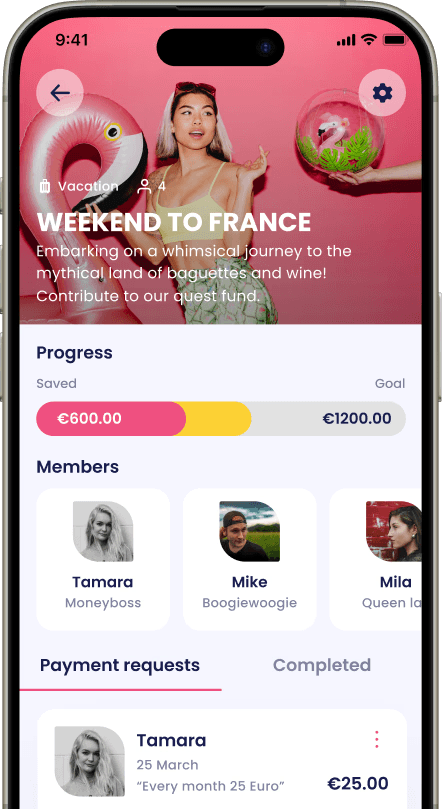
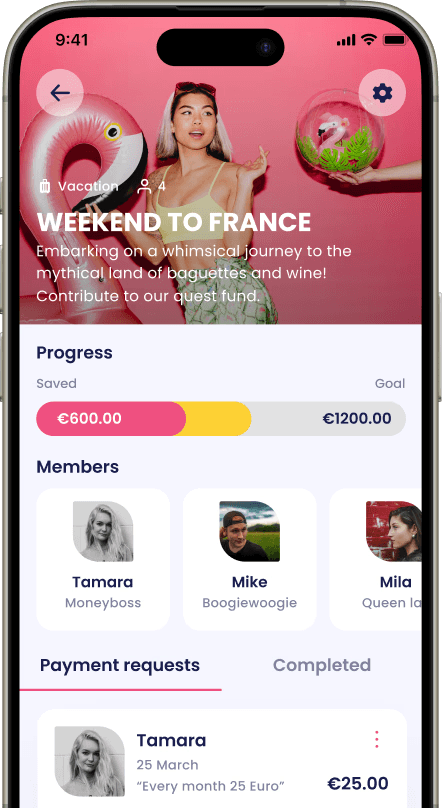
A shared pool of funds is the ultimate way for a collective to collect, organize, and spend cash together in one centralized place. Instead of everyone paying separately, racking up massive credit card bills, and trying to settle up weeks later, the entire group contributes upfront into a transparent digital pool.
Why Managing Shared Expenses With Friends Always Gets Messy
No one actively plans for their shared trip budget to devolve into chaos; it just naturally happens. One person pays for the kickoff dinner. Another covers the Uber from the airport. Someone else puts the massive Airbnb deposit on their personal credit card.
Then, the chaotic group chat messages start:
“Who paid for what again?”
“Wait, did I Venmo you my part yet?”
“I’ll sort it out later.”
At that exact moment, the trip splits into two very different tracks: the fun vacation part, and the stressful administrative part. Unfortunately, the admin part almost always overshadows the fun. That is exactly why dedicated digital pooling solutions exist. It is not because your friends are purposely bad with money; it is because informal tracking inevitably breaks down without proper structure.
What a Shared Money Account Actually Is
At its core, the concept is incredibly simple. A shared money account is a single digital space where group funds live, completely accessible and visible to everyone involved, and built around a specific shared goal. Think of it like a digital group wallet, but with strict rules and complete transparency.
The most important aspect is not just where the cash sits, but how the group interacts with it.
The 5 Steps to Seamless Group Finances
The process of pooling cash is consistent across almost every major use case:
Set the Goal: Every pool starts with a clear reason—a weekend getaway, a bachelor party, or a group gift. This gives the funds a definitive purpose.
Invite the Group: Everyone involved in the plan joins the digital pot. There are no side chats or separate Excel spreadsheets. Everyone looks at the exact same financial dashboard.
Collect Contributions: Each person contributes their required share. This can happen in one lump sum or gradually over time. The key difference is that the cash is secured before it is needed.
Track Everything in One Place: The entire group can instantly see the total balance, who has contributed, and what is still missing. No one ever needs to ask for an update.
Spend From the Shared Pool: When it is time to officially book the flights or pay the vendor, the cash is already there. There is no splitting later and absolutely no chasing payments.
Why Popular Tools Fail to Manage Money With Friends
A lot of people think they already have their budget covered by using standard apps, but these tools usually only solve half the problem.
Expense Trackers (Like Settle Up or Splitwise)
These apps are fantastic for logging what was already spent and calculating the final IOUs. However, they are only useful after the cash has left someone's bank account. They do not help you organize or secure funds beforehand.
Peer-to-Peer Payment Apps (Like Venmo or Cash App)
P2P apps make it incredibly easy to send a quick payment request. However, if a friend ignores the notification, you still have to awkwardly follow up and remind them. These apps reduce friction, but they do not remove the burden of collection from the organizer.
Travel Planning Apps (Like SquadTrip)
While these are built specifically for travel itineraries and linking payments to bookings, they are often too rigid. They are not designed for flexible, everyday use or smaller, spontaneous events.
The common pattern here is that most tools either track debt after spending or simply move money between individuals. Very few help a group organize their capital before major decisions are made.
How Potje Fixes the Chaos as a Dedicated Group Savings Account
Most groups default to one person handling everything. "Just send it to me" sounds simple on day one, but it is exactly where the financial liability begins.
Potje is built explicitly to replace that flawed setup. Instead of relying on one designated organizer to collect cash, track incoming transfers, and send uncomfortable reminders, Potje gives your crew a dedicated space designed specifically for collaborative funding.
You create a money pot around your specific goal and invite your friends. From there, contributions flow into one transparent space. Everyone can instantly see the available balance without relying on screenshot receipts or guessing who still owes what.
Furthermore, Potje automates the most awkward part of the process. Payment requests and automated reminders are handled by the system, meaning the organizer no longer has to act like a debt collector. Group funds are kept strictly separate from personal checking accounts, removing all confusion between personal spending and shared capital.
Where Centralized Pooling Makes the Biggest Impact
This structural shift does not just make planning easier; it actively changes the outcome of your plans. Early booking leads to significantly better pricing, and having the cash ready eliminates hesitation. This matters most in three key areas:
Group Trips: Flights and accommodations require massive upfront capital. With a centralized pool, the cash is ready, and booking happens immediately without one person fronting the bill.
Events and Celebrations: Birthdays, weddings, and group gifts involve multiple contributors aiming for one goal. Without visibility, coordinating these gets messy fast.
Recurring Groups: Adult sports teams, roommate household expenses, and monthly clubs need consistency. Manual tracking spreadsheets always break down over time.
Frequently Asked Questions
What is a shared money account?
It is a centralized digital system where a group collects, holds, and manages cash together in one place. Instead of individuals paying separately and settling up weeks later, everyone contributes to a shared pool upfront before any spending occurs.
How is this different from an expense tracker like Settle Up?
Expense trackers simply log purchases after they happen to calculate IOUs. They do not actually hold real cash. A dedicated pooling account collects the funds upfront, entirely removing the need for post-trip reimbursements and debt tracking.
When should you use a collaborative funding system?
You should use one whenever a group needs to secure capital toward a common goal. It is especially vital when large costs (like Airbnbs or event tickets) need to be paid upfront, ensuring that one person does not have to take on all the financial risk.
Is Potje free to use?
Potje offers a free way to get started, allowing groups to create a pot, invite members, and begin collecting contributions without complex upfront setups. Depending on how the funds are moved or managed, there may be standard transaction fees. The true value lies in saving hours of manual tracking and eliminating the social friction of chasing unpaid debts.
Is pooling money online safe?
Yes. Dedicated systems are designed specifically to improve transparency and financial structure. By strictly keeping group funds separate from personal checking accounts and making every transaction visible to all members, they drastically reduce confusion and build absolute trust within the group.

Social Accountability and Saving: The Missing Link to Financial Freedom
Ondersteuning voor verschillende inhoudstypes zoals artikelen, blogs, video's en meer. Rijke tekstverwerker met opmaakopties voor verbeterde.
17 november, 2025

Group Saving Apps Compared: What's Easiest, Safest, and Most Transparent?
Ondersteuning voor verschillende inhoudstypes zoals artikelen, blogs, video's en meer. Rijke tekstverwerker met opmaakopties voor verbeterde.
17 november, 2025

Group Money Platforms Compared: What’s Safe, Regulated, and Fair?
Ondersteuning voor verschillende inhoudstypes zoals artikelen, blogs, video's en meer. Rijke tekstverwerker met opmaakopties voor verbeterde.
17 november, 2025