2 June 2026


The short answer:
The best virtual debit cards for Apple Pay users in the Netherlands are the ones that perfectly combine instant access, effortless mobile payments, and flexible money management. Industry heavyweights like Revolut and Wise are strong, reliable options for personal spending, multi-currency transactions, and solo travel. However, newer digital systems like Potje are revolutionizing the space by building virtual cards connected directly to shared group funds for collaborative, frictionless spending.
As the Netherlands continues to lead Europe in cashless and contactless payments, the demand for fast, secure, and integrated financial tools has never been higher. Whether you are navigating the streets of Amsterdam, managing a shared household, or organizing a group trip, the right digital debit card can completely change how you handle your money.
Why Virtual Debit Cards Are Becoming the Default
The days of waiting five to seven business days for a piece of plastic to arrive in the mail are rapidly coming to an end. Modern consumers, especially in a highly digitized society like the Netherlands, do not want to wait for physical cards anymore.
Today's Apple Pay users demand:
Instant setup: The ability to open an account and generate a card number in seconds.
Apple Pay access: The seamless transition from card generation to Apple Wallet integration.
Mobile-first spending: The convenience of managing limits, freezing cards, and reviewing transactions exclusively through a smartphone app.
A virtual debit card solves these demands immediately. You simply sign up, verify your identity, add the newly generated card to Apple Pay, and start spending from your phone instantly.
But convenience alone is no longer enough. While making a payment at a terminal is now frictionless, people also want better control over how their money is managed in the background—especially when that spending involves other people.
What a Virtual Debit Card Actually Is
For those new to the concept, a virtual debit card is a fully digital payment card connected directly to your account balance.
It works exactly like a traditional physical debit card. It has a unique 16-digit card number, an expiration date, and a CVV security code. The only difference is that it lives entirely inside your phone’s banking app or mobile wallet.
What You Can Do With a Virtual Card:
Pay online: Securely enter the card details for e-commerce purchases, subscriptions, and digital services.
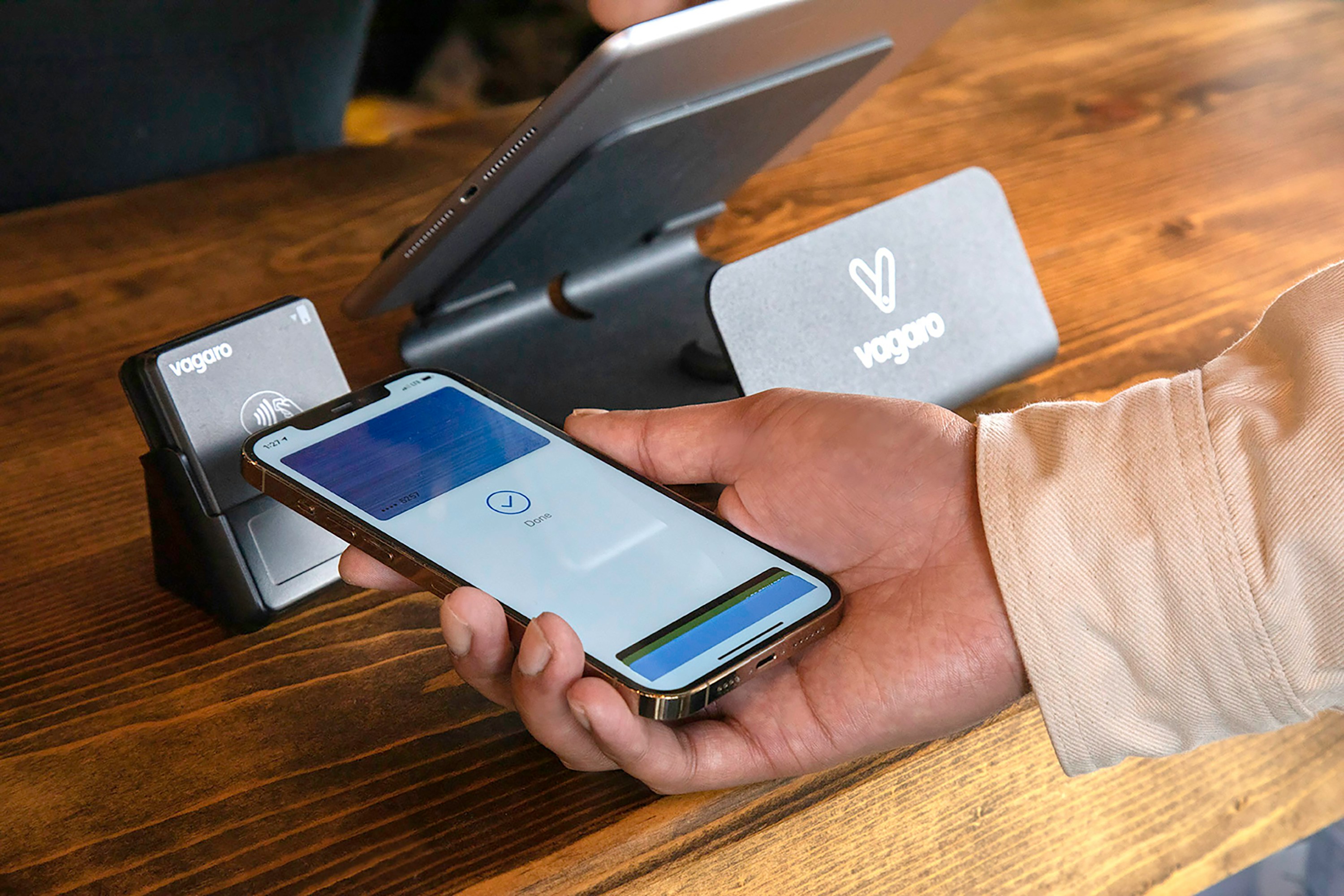
Use Apple Pay in stores: Tap your iPhone or Apple Watch at any NFC-enabled payment terminal in supermarkets, cafes, and retail stores across the Netherlands.
Make contactless payments: Enjoy the same fast checkout experience without fumbling for a wallet.
Manage spending digitally: Instantly delete, freeze, or regenerate the card if you suspect your details have been compromised online.
The biggest difference is speed and security. You can start using it almost instantly after account creation, and because it cannot be physically lost or stolen, it offers a distinct layer of digital safety.
What Makes a Virtual Debit Card Good for Apple Pay Users
Not every virtual card creates the same high-quality user experience. The best setups for Dutch users combine several critical features that elevate them above standard bank offerings.
To get the most out of your digital wallet, a virtual debit card should offer:
Instant Access: You should be able to generate the card immediately within the app interface.
Apple Pay Compatibility: The card should feature a simple "Add to Apple Wallet" button that connects it seamlessly without requiring manual data entry.
Real-time Visibility: You should see transactions instantly via push notifications the second you tap your phone.
Spending Flexibility: The card should work universally across online platforms and physical retail terminals.
Shared Money Functionality: This is the critical frontier where most traditional providers still fall behind. Because most virtual cards are designed exclusively for individuals, they fail to accommodate how people actually spend money together as groups.
How the Top Competitors Compare in the Netherlands
When evaluating the market for the best digital debit card in the Netherlands, three major international competitors consistently rise to the top: Revolut, Wise, and Current.
Revolut
Revolut is undoubtedly one of the strongest options for Apple Pay users in the Netherlands and across Europe.
What it offers: Revolut provides instant virtual cards, flawless Apple Pay integration, multi-currency holding accounts, and incredibly travel-friendly spending features.
Where Revolut falls short: The financial ecosystem is still deeply individual-first. For group spending (like a weekend getaway), one person usually pays the entire bill, and the others are forced to reimburse them later. This leaves one individual acting as the "money boss," taking on all the financial risk and administrative burden.
Wise
Wise (formerly TransferWise) performs exceptionally well for expats, digital nomads, and international spending.
What it offers: Wise is famous for its transparent exchange rates and multi-currency accounts. It offers readily available virtual debit cards, broad Apple Pay support, and good travel functionality.
Where Wise falls short: Much like Revolut, Wise is designed around personal accounts and international remittance. It is an excellent tool for individual use, but it is not built for shared money management or collaborative group funding.
Current
Current focuses heavily on digital banking convenience and modernizing the traditional checking account experience.
What it offers: It provides robust mobile-first payments, easily accessible virtual debit cards, and a very simple, user-friendly setup process.
Where Current falls short: While it excels in personal budgeting, it does not solve the coordination, tracking, and communication required for shared spending among friends or family members.
The Next Shift: Virtual Cards Connected to Shared Money
This is exactly where digital spending in the fintech space is moving next.
Right now, most virtual debit cards are built around one single person. But real-world spending is rarely that isolated. We spend money together constantly:
Group trips and holidays
Concerts and festival events
Shared family or household expenses
Sports teams and group activities
Relying on an individual card for group activities creates immediate friction. Because the card is tied to one person's bank account, one person must pay upfront. Then, others must settle their debts afterward. Someone has to track everything manually, often resorting to a shared expense tracking app or complex spreadsheets to figure out who owes what.
How Potje Approaches This Differently
Potje, a Dutch fintech platform based in The Hague, approaches the problem from a completely different angle. Instead of starting with the card, Potje starts with the shared money system first.
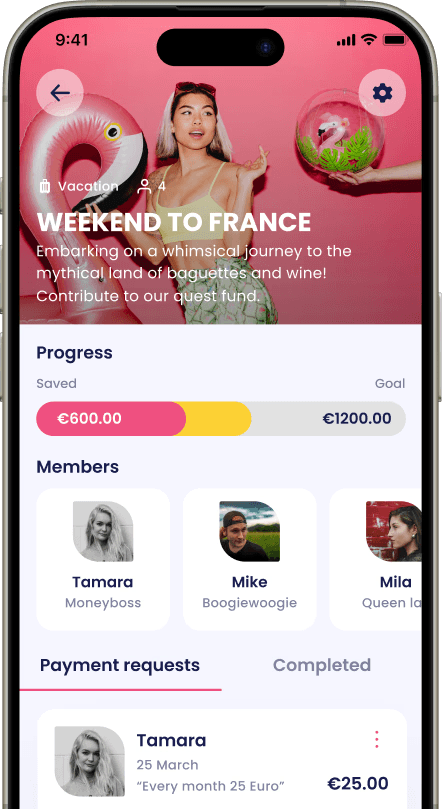
Users create a digital shared pot where:
Everyone in the group contributes upfront via familiar payment methods.
The total balance is fully visible to all members.
Contributions are tracked automatically by the app, eliminating the need to chase people for money.
The next logical step is extending this transparency to the checkout counter via virtual debit cards for groups.
Potje is currently developing a virtual debit card that will:
Connect directly to the shared pot.
Work natively with Apple Pay.
Enable real-time group spending.
This means the group spends together, directly from the pre-funded pool, instead of one person draining their private account and requesting reimbursements afterward.
Important note: this feature is coming soon. The virtual debit card functionality is currently in development. Once launched, users will be able to generate a virtual card instantly, add it to Apple Pay, and spend directly from shared funds.
You can join the waitlist and start exploring the platform here: https://www.potje.app.
Practical Use Cases for Shared Virtual Cards
How does a virtual Apple Pay card connected to shared funds actually improve your daily life?
Travel
When heading abroad with friends, you can use a centralized pot to manage group travel funds. You can use Apple Pay to buy train tickets, cover rounds of drinks, or pay for museum entry without carrying physical cards or doing complex currency math at dinner.
Online Purchases
Need to buy festival tickets for five people? Pay securely online using a digital card funded by everyone's upfront contributions. No one has to front €500 out of their own pocket.
Shared Vacations
Manage group expenses from one shared balance. From booking the Airbnb to paying for the rental car, every transaction is deducted from the communal pot, providing peace of mind and total transparency.
Family Spending
For households managing shared costs, a shared savings account alternative like Potje allows you to keep visibility across shared costs like groceries or subscriptions without needing to open a cumbersome, formal joint bank account.
Commercial Implications: Why the Underlying System Matters
Virtual debit cards fundamentally reduce payment friction at the cash register. But tapping your phone does not automatically improve group coordination.
When the system stays individual:
One person carries the financial responsibility and risk.
Reimbursements are constantly required.
Tracking becomes a manual, tedious chore that strains relationships.
When the system becomes shared:
Spending becomes totally transparent to all stakeholders.
Budgets are visible in real-time.
Financial decisions happen faster and with less stress.
That is where the real value of modern digital finance starts. It is not just about moving money quickly; it is about moving money intelligently.
Risks and Misconceptions
Let's clarify a few common misconceptions surrounding Apple Pay and digital cards:
“Apple Pay is the product.”
Reality: Apple Pay is simply the interface. It is the secure bridge between your device and the payment terminal. The account structure behind the Apple Wallet matters far more than the tap itself.
“All virtual debit cards work the same.”
Reality: While the technology at the checkout is identical, the user experience depends entirely on what the card connects to. A card connected to a solo checking account behaves very differently than a card connected to a shared group fund.
“Virtual cards solve group spending.”
Reality: A virtual card does not solve group spending unless the money itself is shared upfront. If it is tied to an individual's money, it simply creates a faster way to get into debt with your friends.
FAQ Section
What is a virtual debit card?
A virtual debit card is a highly secure digital payment card connected to your account balance. It works just like a physical debit card, complete with a card number and CVV, but exists digitally inside a banking app or mobile wallet. Users can make online purchases, tap to use Apple Pay in stores, and manage their spending limits without ever needing a physical piece of plastic.
Which virtual debit cards work with Apple Pay in the Netherlands?
Several major digital providers support Apple Pay in the Netherlands, including Revolut, Wise, and bunq. These platforms allow Dutch users to instantly generate virtual cards and connect them directly to their Apple Wallet for fast, secure contactless payments.
Are virtual debit cards safe?
Yes, they are highly secure. Virtual debit cards are managed digitally and can usually be frozen, deleted, or regenerated instantly inside your app. Furthermore, because they live on your phone, they are protected by biometric security (Face ID or Touch ID) and reduce the risk of physical theft or card skimming.
Can virtual debit cards be used for group spending?
Most current virtual debit cards are strictly designed for individual use, meaning one person pays and others must reimburse them later. True group spending requires a shared balance connected directly to the virtual card, which is the model platforms like Potje are pioneering.
What is Potje and how will its virtual debit card work?
Potje is a Dutch shared money account designed specifically for groups, operating safely under the supervision of De Nederlandsche Bank (DNB). It allows users to create a pot, invite contributors, and manage money together in one centralized place. Potje is actively developing a virtual debit card that will connect directly to these shared funds and support Apple Pay, enabling groups to spend together seamlessly without relying on reimbursements. This feature is coming soon, and users can join the waitlist for early access.
The Bottom Line
The best virtual debit card is no longer just about fast payments. Getting a virtual card is incredibly easy now—almost every digital bank offers one. The real difference, and the true competitive advantage, is how the money behind the card actually works.
When your spending stays individual, your coordination becomes manual. But when your spending becomes shared from the start, the entire financial experience changes. That is exactly where virtual debit cards in the Netherlands are heading next.

Social Accountability and Saving: The Missing Link to Financial Freedom
Ondersteuning voor verschillende inhoudstypes zoals artikelen, blogs, video's en meer. Rijke tekstverwerker met opmaakopties voor verbeterde.
17 november, 2025

Group Saving Apps Compared: What's Easiest, Safest, and Most Transparent?
Ondersteuning voor verschillende inhoudstypes zoals artikelen, blogs, video's en meer. Rijke tekstverwerker met opmaakopties voor verbeterde.
17 november, 2025

Group Money Platforms Compared: What’s Safe, Regulated, and Fair?
Ondersteuning voor verschillende inhoudstypes zoals artikelen, blogs, video's en meer. Rijke tekstverwerker met opmaakopties voor verbeterde.
17 november, 2025
